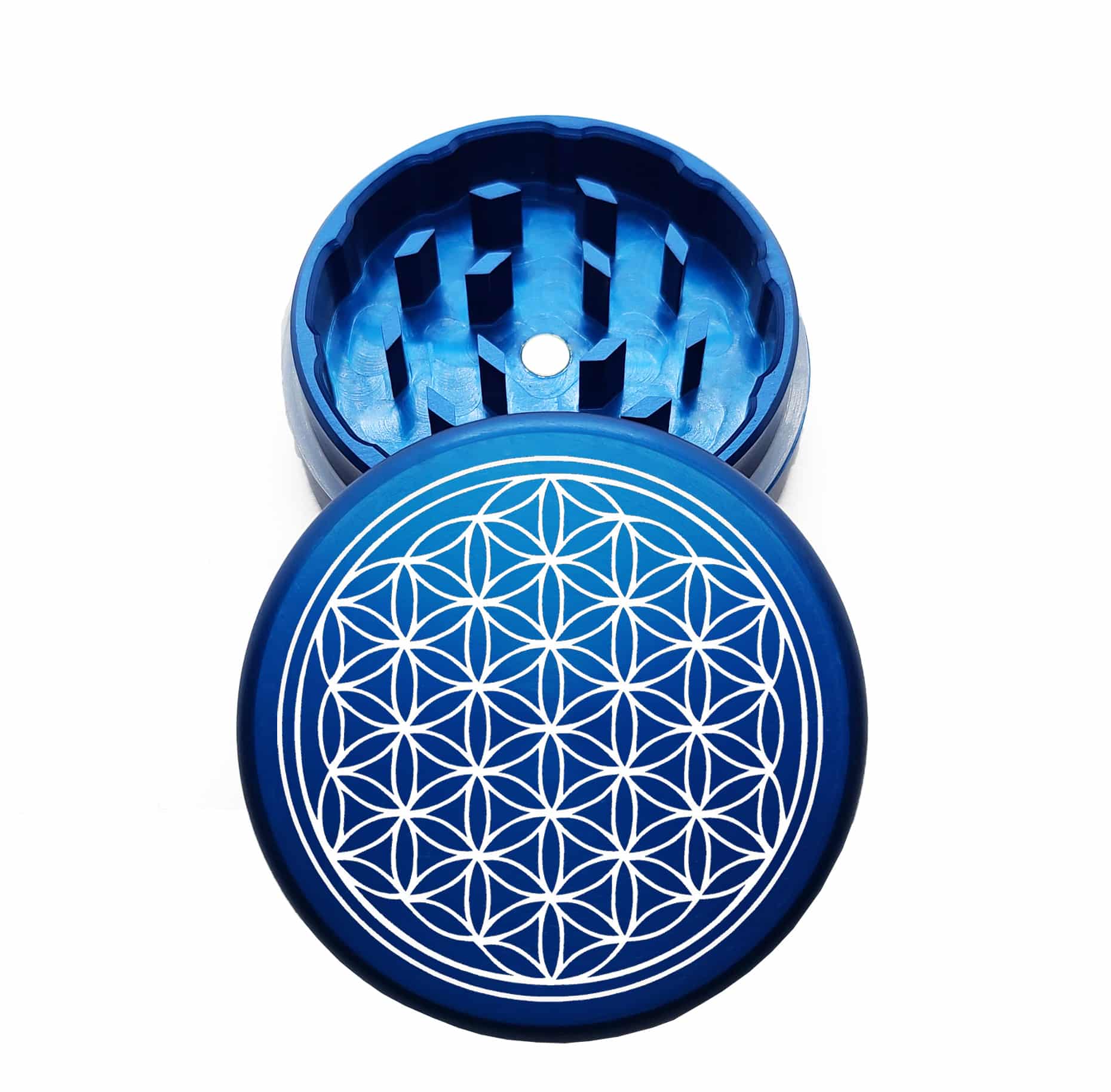
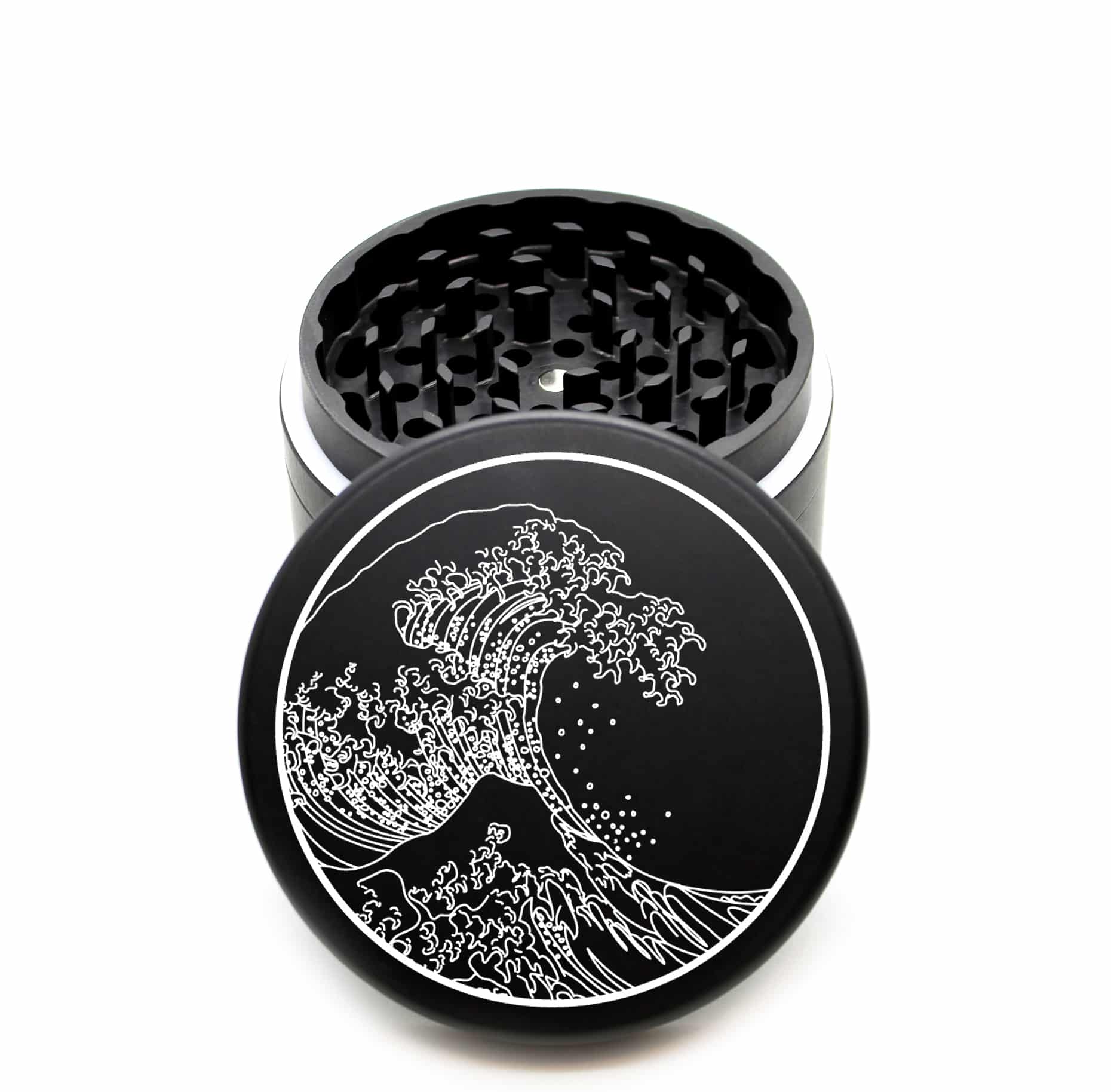
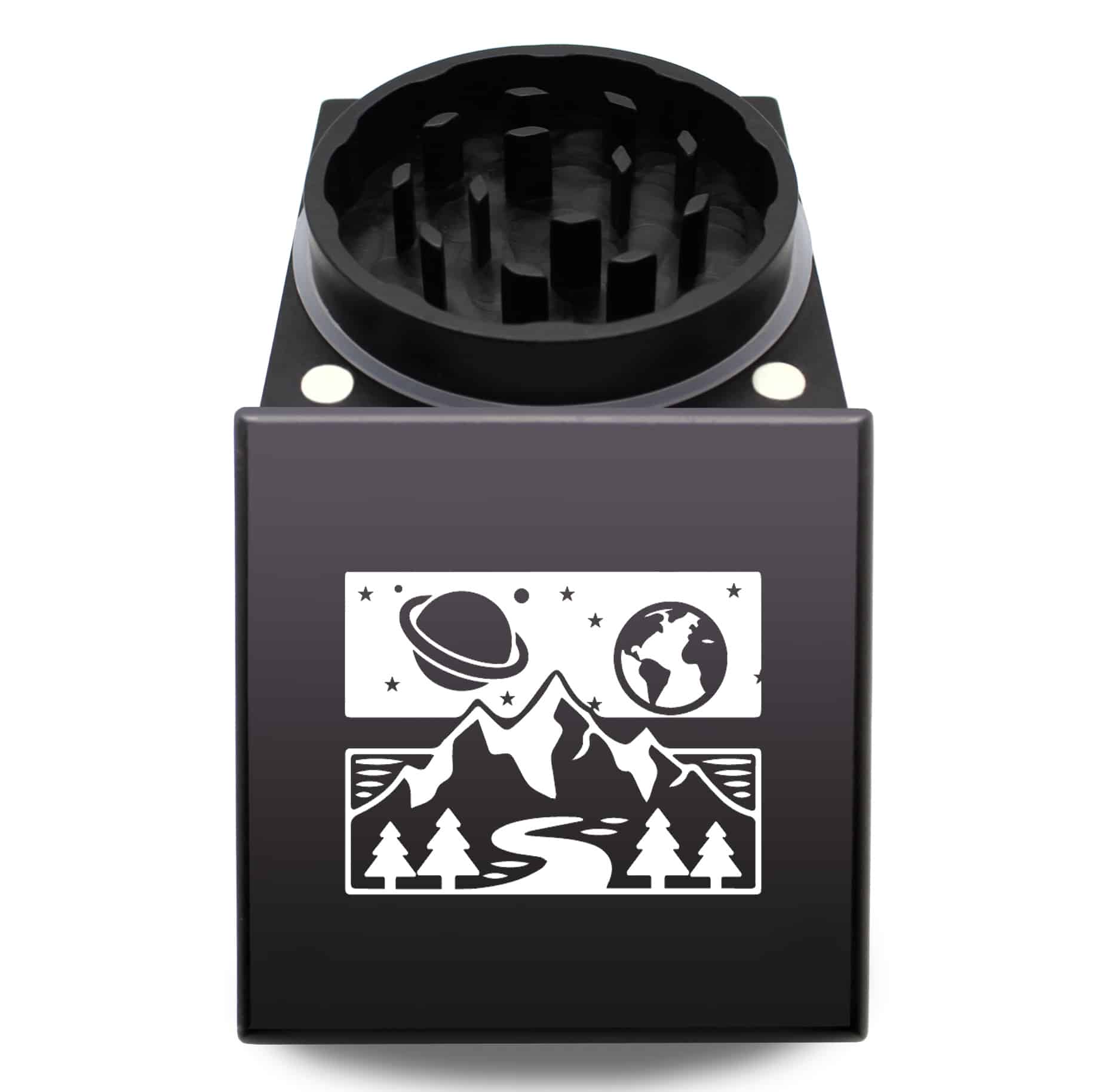
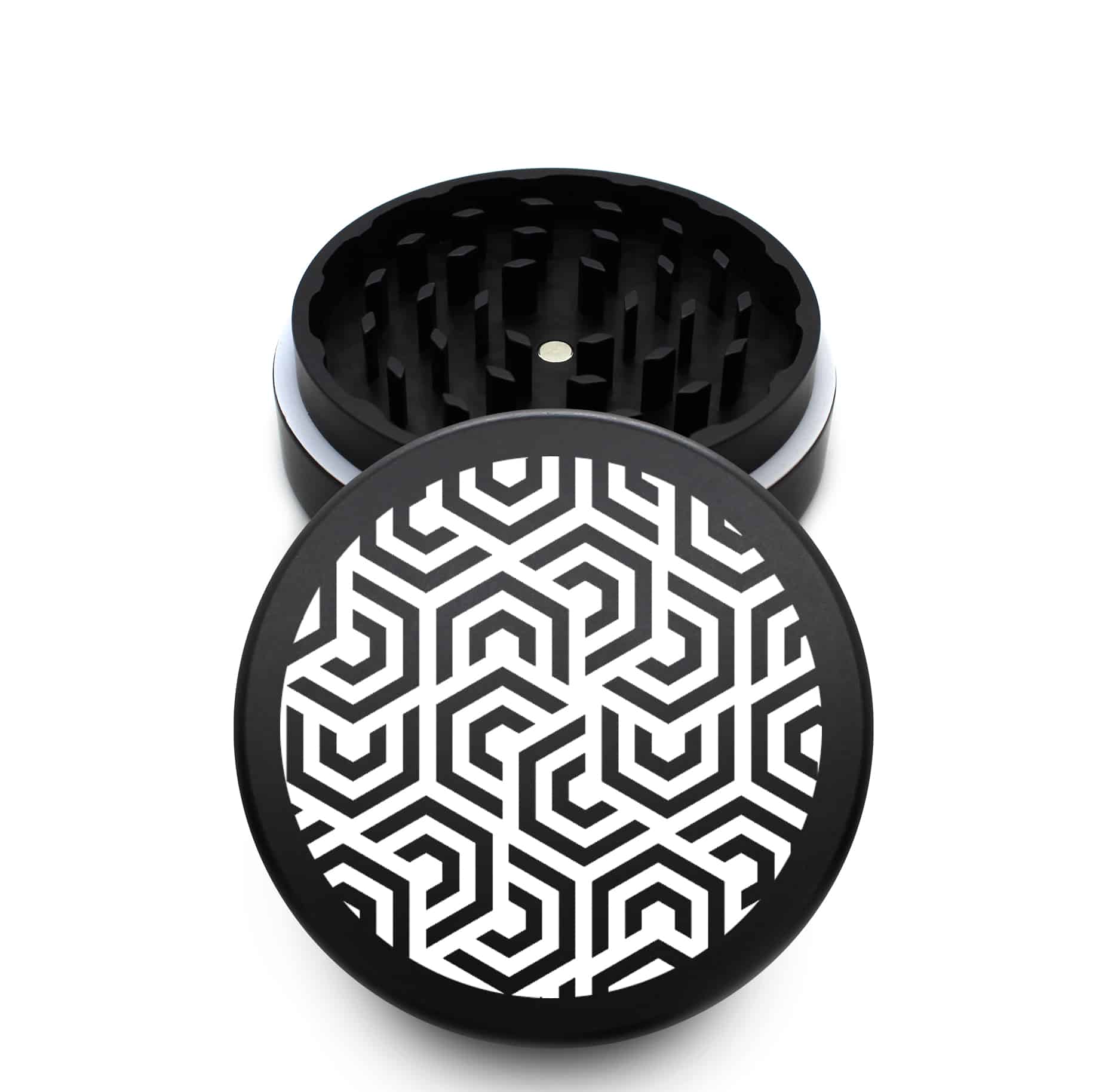
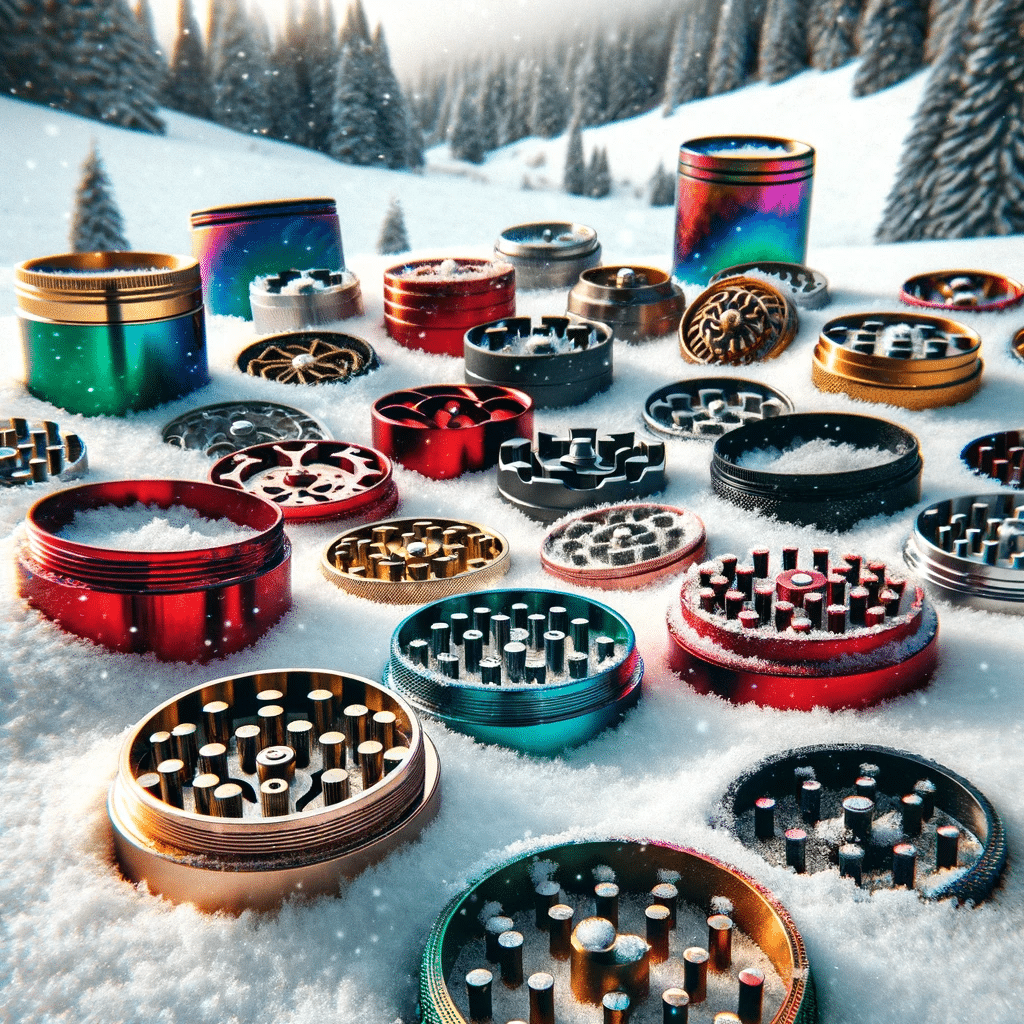
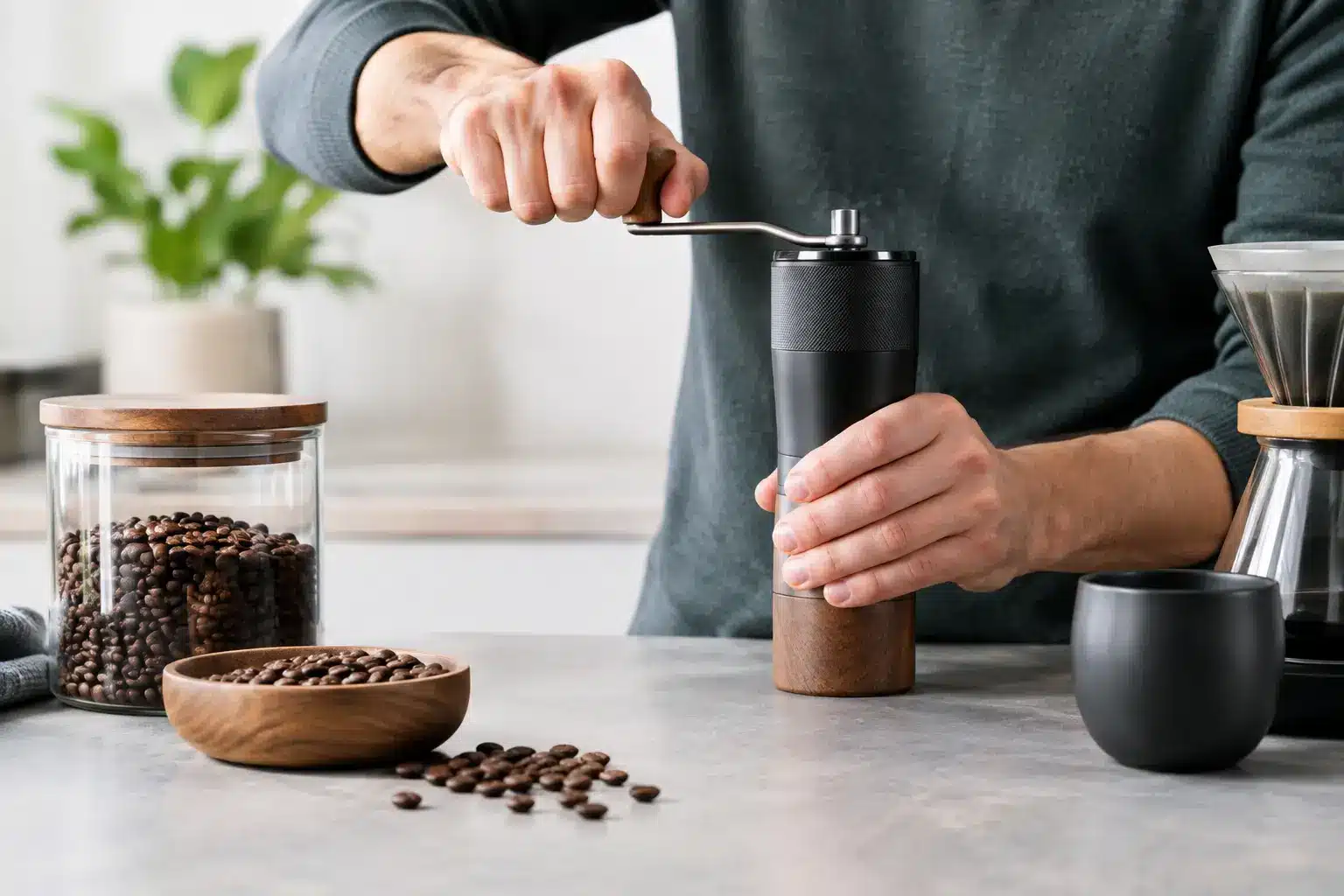
Introduction: In the ever-evolving world of cannabis accessories, finding the perfect weed grinder can significantly enhance your smoking experience. In this comprehensive guide, we will explore the top weed grinders of 2023, all expertly crafted by Tahoe Grinder Company. Renowned for their precision engineering, durability, and innovative designs, Tahoe Grinder Company’s products have established a solid reputation among cannabis enthusiasts. Join us as we unveil the five best weed grinders of 2023, all proudly manufactured by Tahoe Grinder Company.
The Puck Two-Piece Grinder:
The Puck Two-Piece Grinder by Tahoe Grinder Company takes the top spot on our list. This sleek and compact grinder delivers exceptional grinding performance with its razor-sharp teeth and smooth operation. Crafted with meticulous attention to detail, the Puck Two-Piece Grinder ensures a consistent grind every time. Its durable construction, made from high-quality materials, guarantees longevity, making it a reliable companion for your smoking sessions.
The Puck Three-Piece 3.5 Inch Grinder:
Our second pick is the Puck Three-Piece 3.5 Inch Grinder from Tahoe Grinder Company. This larger-sized grinder offers enhanced grinding capacity without compromising on quality. Featuring a three-piece design with a storage compartment and a pollen catcher, it provides convenience and versatility. The precision-engineered teeth effortlessly grind your herbs, while the pollen catcher collects valuable trichomes for later use. Experience the perfect blend of functionality and style with the Puck Three-Piece 3.5 Inch Grinder.
The Square Two-Piece Grinder:
Coming in at number three is the Square Two-Piece Grinder by Tahoe Grinder Company. This unique grinder stands out with its square shape and compact design. Despite its smaller size, it delivers powerful grinding capabilities. The Square Two-Piece Grinder’s sharp teeth ensure a fine and consistent grind, allowing you to extract the maximum potential from your herbs. Its ergonomic design and high-quality construction make it a must-have accessory for any cannabis enthusiast.
The Puck Three-Piece 2.5 Inch Grinder:
Our fourth selection is the Puck Three-Piece 2.5 Inch Grinder by Tahoe Grinder Company. This mid-sized grinder strikes the perfect balance between portability and functionality. With its three-piece design, it includes a storage compartment and a pollen catcher to meet all your grinding needs. The Puck Three-Piece 2.5 Inch Grinder’s sharp teeth and durable construction ensure long-lasting performance, while its compact size makes it ideal for on-the-go use.
The Three-Piece 3.5 Inch Two-Piece Grinder:
Rounding out our top five is the Three-Piece 3.5 Inch Two-Piece Grinder by Tahoe Grinder Company. This versatile grinder boasts a large size, providing ample grinding capacity for your herbs. With its two-piece design, it offers simplicity and ease of use. The Three-Piece 3.5 Inch Two-Piece Grinder’s precision grinding mechanism ensures a fine and consistent grind, enhancing your smoking experience. Trust in Tahoe Grinder Company’s craftsmanship and enjoy the reliable performance of this exceptional grinder.
Conclusion: When it comes to finding the best weed grinders of 2023, Tahoe Grinder Company’s products stand above the rest. The Puck Two-Piece Grinder, Puck Three-Piece 3.5 Inch Grinder, Square Two-Piece Grinder, Puck Three-Piece 2.5 Inch Grinder, and Three-Piece 3.5 Inch Two-Piece Grinder showcase the brand’s commitment to excellence, durability, and precision grinding. Elevate your smoking experience with Tahoe Grinder Company’s top-tier grinders, and discover the perfect blend of functionality, style, and quality craftsmanship.
(I couldn’t figure out how to number them from 1 to 5 and realized they are all number one because Tahoe Grinder Company is the best. Happy Grinding!)
Upgrading to a premium grinder is one of the simplest ways to improve grind consistency, preserve terpene quality, and maximize the performance of your favorite flower. As you compare the top options featured in this guide, remember that long-lasting materials, precision machining, and thoughtful design all play a major role in achieving a smoother, more efficient session. Once you’re ready to elevate your setup, make sure your strains are always paired with the best weed grinder by exploring Tahoe Grinder Company’s full lineup in our best weed grinder collection — engineered for durability, control, and an exceptional cannabis preparation experience.
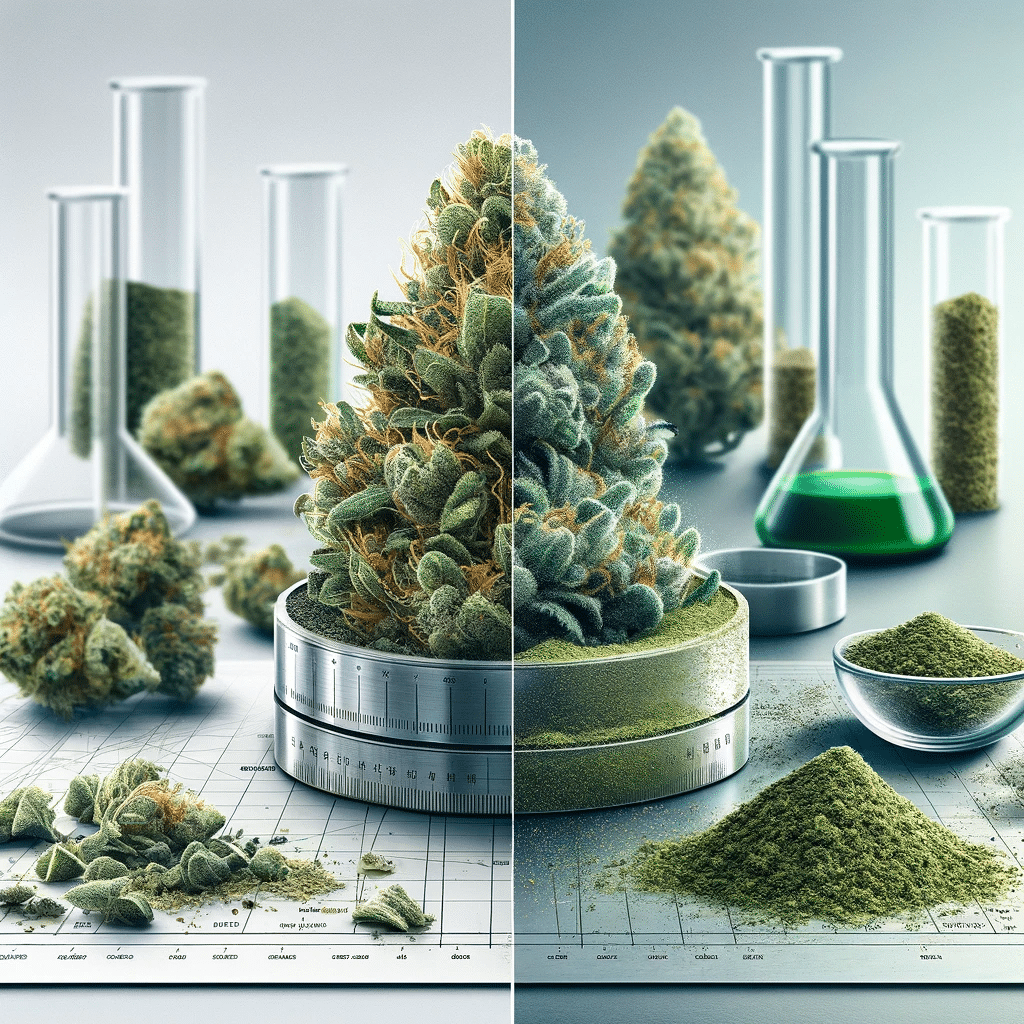
As more and more states legalize marijuana for medical and recreational use, the demand for high-quality weed has never been higher. But did you know that how you grind your weed can affect its potency and overall quality? The science behind grinding weed has been studied extensively, and the results are fascinating. From the size and shape of the grinder teeth to the speed and pressure used during the grinding process, every detail can impact the final product. In this article, we’ll explore the science behind grinding weed for maximum potency, including the benefits of using a grinder, the different types of grinders available, and tips for achieving the perfect grind. Whether you’re a seasoned smoker or new to the world of weed, understanding the science behind grinding can help you get the most out of your cannabis experience. So, grab your grinder and let’s dive in!
Understanding the Science Behind Grinding Weed
Grinding weed is a crucial step in the process of preparing it for consumption. It involves breaking up the flower buds into smaller pieces, which makes it easier to roll into joints or pack into bowls. But why is grinding weed so important? The answer lies in the science of cannabis.
Cannabis contains many active compounds, the most well-known of which are THC and CBD. These compounds are concentrated in the flower buds of the plant, which is why they are the most sought-after part of the plant. When you grind the buds, you break open the trichomes that contain the THC and CBD, making them more accessible for consumption. This means that grinding your weed can increase its potency and make it more effective at producing the desired effects.
But not all grinders are created equal. The size and shape of the grinder teeth, the speed and pressure used during grinding, and other factors can all impact the final product. That’s why it’s important to understand the science behind grinding weed and choose the right grinder for your needs.
Why Grind Weed for Maximum Potency?
Grinding weed is not only important for making it more potent, but it also improves the overall smoking experience. When you grind your weed, you create a more consistent texture that burns evenly and produces a smoother smoke. This means that you can enjoy the full flavor of the cannabis while also experiencing its effects more fully.
In addition to improving the smoking experience, grinding weed can also save you money in the long run. When you grind your weed, you can use less of it to achieve the same effects as you would with unground buds. This means that you can stretch your supply further, saving you money in the long run.
Factors Affecting Potency When Grinding Weed
There are several factors that can impact the potency of your ground weed. These include the size and shape of the grinder teeth, the speed and pressure used during grinding, and the humidity of the buds.
The size and shape of the grinder teeth can impact the final product in a few ways. Larger teeth can break up the buds more quickly, but may not produce as fine of a grind. Smaller teeth, on the other hand, can produce a finer grind but may take longer to break up the buds. The shape of the teeth can also impact the final product. Diamond-shaped teeth, for example, can produce a more consistent grind than flat teeth.
The speed and pressure used during grinding can also impact the final product. Grinding too quickly or applying too much pressure can produce a powder-like consistency, which can be difficult to work with and may burn too quickly. Grinding too slowly or applying too little pressure can produce a coarser grind, which may not burn evenly.
Finally, the humidity of the buds can also impact the final product. Buds that are too dry can produce a harsh smoke and may not produce as strong of an effect. Buds that are too moist can be difficult to grind and may produce a gummy consistency.
How to Grind Weed for Maximum Potency
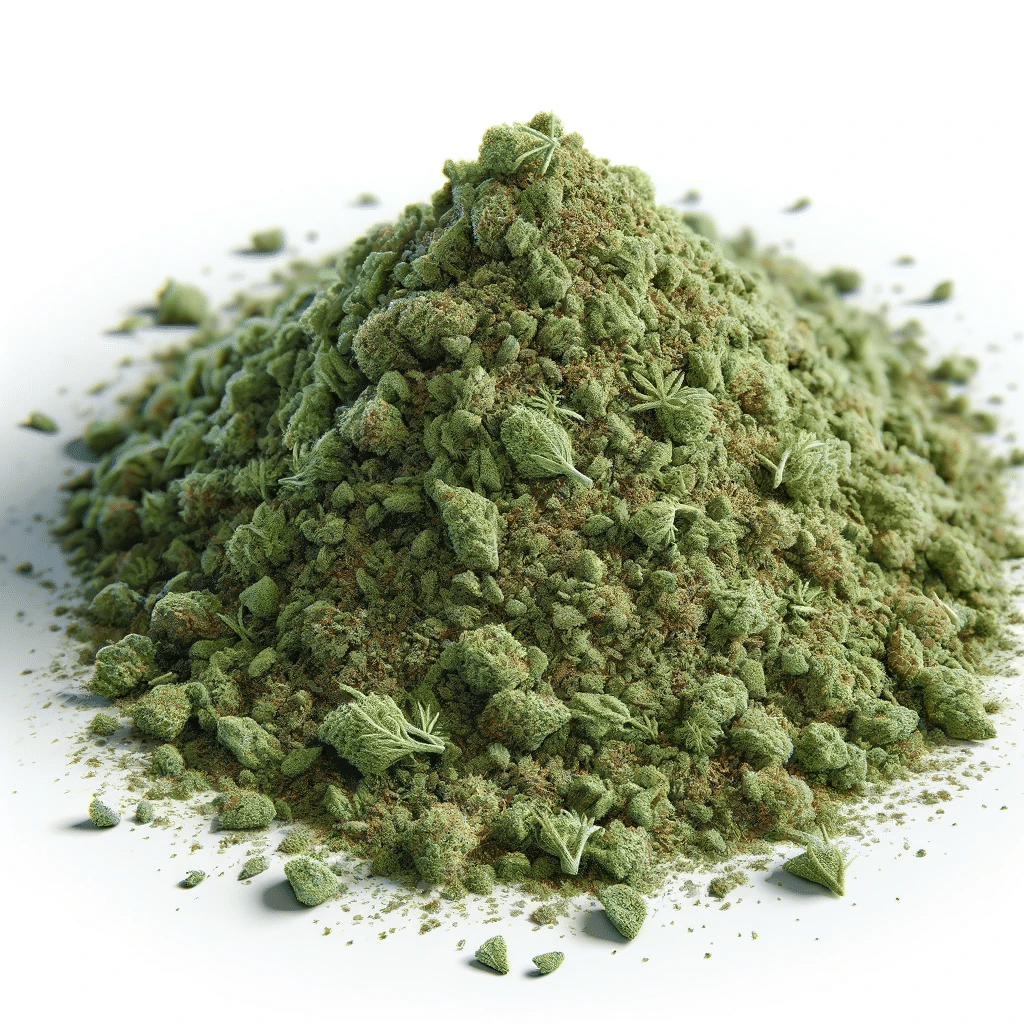
Here, above, we see ground weed in its final form, also known as grinded weed—weed that has been put through a grinder to achieve the perfect consistency for rolling or packing.
Now that you understand the science behind grinding weed and the factors that can impact its potency, let’s explore the best way to grind your weed for maximum potency.
Step 1: Choose the right grinder. There are several types of grinders available, including manual grinders, electric grinders, and multi-chamber grinders. Each type of grinder has its own benefits and drawbacks, so it’s important to choose the right one for your needs.
Step 2: Break up the buds. Before you start grinding, break up the buds into smaller pieces. This will make it easier to grind and ensure a more consistent texture.
Step 3: Load the grinder. Place the broken-up buds into the grinder and make sure it’s not too full. Overloading the grinder can result in an uneven grind.
Step 4: Grind the weed. Hold the grinder firmly and turn the lid back and forth until the buds are ground to the desired consistency. Be sure to apply the right amount of pressure and grind at a consistent speed.
Step 5: Collect the ground weed. Once the buds are ground to the desired consistency, use a tool to collect the ground weed and transfer it to your smoking device of choice.
Types of Grinders for Grinding Weed
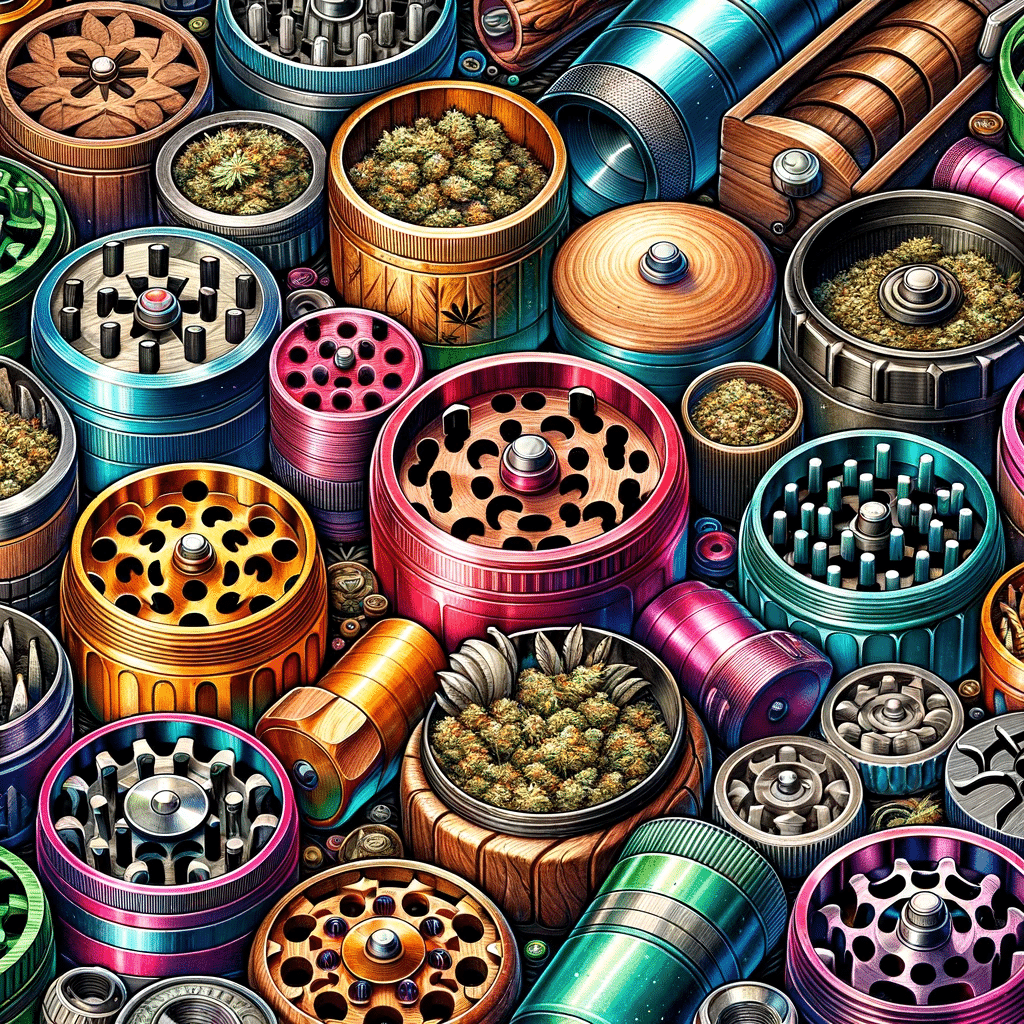
There are several types of grinders available, each with its own benefits and drawbacks. Here’s a quick overview of the most common types of grinders:
2-piece grinders: These grinders consist of two pieces that are twisted back and forth to grind the buds. They are simple and easy to use, providing a straightforward grinding experience.
3-piece grinders: These grinders have an additional chamber compared to 2-piece grinders. The extra chamber acts as a storage compartment for the ground weed, keeping it separate from the unground buds. This design helps maintain the freshness and quality of your herb.
4-piece grinders: As the name suggests, 4-piece grinders have four components. They typically feature a grinding chamber, a storage compartment for the ground weed, and an additional chamber for collecting keef (the resinous trichomes that contain high levels of THC). This allows you to collect and save the keef for later use, enhancing your smoking or vaping experience.
Each type of grinder offers its own advantages, so consider your preferences and needs when choosing the right one for you. Whether you opt for a 2-piece, 3-piece, or 4-piece grinder, Tahoe Grinder Co. provides high-quality options that are designed to meet your grinding needs with precision and durability. Explore our collection and elevate your cannabis experience today.
Tips for Grinding Weed for Maximum Potency
Here are some additional tips for grinding your weed for maximum potency:
– Don’t overload the grinder, as this can result in an uneven grind.
– Use the right amount of pressure and grind at a consistent speed for the best results.
– Experiment with different types of grinders to find the one that works best for your needs.
– Store your ground weed in an airtight container to preserve its potency and flavor.
Common Mistakes to Avoid When Grinding Weed
Here are some common mistakes to avoid when grinding your weed:
– Grinding too quickly or applying too much pressure can result in a powder-like consistency.
– Grinding too slowly or applying too little pressure can result in a coarser grind.
– Overloading the grinder can result in an uneven grind.
– Using a dirty or clogged grinder can result in a less potent and less flavorful smoke.
Storing Ground Weed for Maximum Potency
Once you’ve ground your weed, it’s important to store it properly to preserve its potency and flavor. Here are some tips for storing your ground weed:
– Use an airtight container to prevent moisture and air from affecting the potency and flavor of the weed.
– Store the container in a cool, dark place to prevent sunlight and heat from degrading the weed.
– Avoid storing the container in the freezer, as this can cause moisture to condense and affect the potency and flavor of the weed.
Conclusion
Grinding weed is a crucial step in the process of preparing it for consumption. Understanding the science behind grinding and choosing the right grinder can help you get the most out of your cannabis experience. By grinding your weed for maximum potency, you can enjoy a more consistent texture, a smoother smoke, and a more potent and flavorful high. So, grab your grinder and start experimenting to find the perfect grind for your needs.
Understanding the science behind grinding cannabis can significantly improve potency, flavor, and overall session efficiency. By creating a more uniform particle size, you increase surface area for better airflow, more even burning, and improved cannabinoid and terpene release. To truly take advantage of these benefits, your preparation tools matter just as much as the quality of your flower. For optimal performance and consistency, make sure your favorite strains are paired with the best weed grinder by exploring Tahoe Grinder Company’s precision-engineered collection of best weed grinder options — built for durability, smooth operation, and maximum cannabis enjoyment.
A grinder usually earns an upgrade after one irritating moment: the lid binds, the teeth smear dense flower instead of cutting it, or the threads collect enough residue to turn a simple twist into a fight. That is why enthusiasts switch to premium grinders. They are not chasing a logo. They are done accepting inconsistent prep from a tool they use in nearly every session.
Cheap grinders are easy to buy and easy to replace, which is exactly the problem. They are often built as disposable accessories. A premium grinder is built as a long-term tool: one that cuts cleanly, closes confidently, stays comfortable to use, and holds up after repeated contact with sticky, resin-rich herb.
Why Enthusiasts Switch to Premium Grinders
The difference starts with consistency. Properly ground flower burns and packs more evenly than rough chunks mixed with dusty fragments. It is easier to roll, easier to load into a bowl or vaporizer, and easier to portion without constantly breaking up pieces by hand. A quality grinder does not need to turn every strain into powder. It needs to produce a controlled, repeatable texture that fits the way you consume.
That repeatability comes from engineering details most low-cost grinders ignore. Tooth shape, tooth spacing, chamber depth, lid fit, material hardness, and machining tolerances all affect what happens when flower meets the cutting surface. When those elements are poorly executed, the grinder tends to crush, clog, or leave large pieces circling the chamber. When they are designed correctly, the herb moves through the teeth with far less effort.
For frequent users, this is not a minor convenience. It is the difference between a grinder that feels like part of a refined setup and one that interrupts every session.
The Real Problem With Cheap Grinders
Price-driven grinders typically cut corners where performance matters most. Thin metal can flex. Weak teeth can dull or deform. Coarse threads can cross-thread, seize, or become packed with residue. Painted or low-grade finishes can wear down over time. Some budget models also rely on loose tolerances, creating lids that wobble, chambers that do not align cleanly, and parts that feel rough from the first use.
The common response is to clean the grinder more often or force it harder. Neither solves a design problem. If the grinder has poor tooth geometry or an imprecise fit, sticky herb will continue exposing those weaknesses.
Premium construction changes the experience because the components are made to work together. A precisely machined grinder has predictable engagement between its parts. The lid seats correctly. The teeth meet their intended cutting path. The chambers close without fighting the threads. This level of control may not be obvious in a product photo, but it becomes obvious in the hand.
Material Is More Than a Spec Sheet
Not all metal grinders deserve to be called durable. The grade of aluminum and the way it is machined make a meaningful difference. Premium 6061-T6 aluminum offers an excellent balance of strength, weight, and corrosion resistance. It is substantial enough to feel planted in the hand without becoming unnecessarily heavy or cumbersome.
Just as important, quality aluminum is suited to precision CNC machining. CNC production creates repeatable parts with tight tolerances rather than relying on loosely controlled casting or inconsistent mass production. The result is a grinder with cleaner edges, better-fitting components, and a more dependable action over time.
That is why a serious grinder should feel engineered, not merely assembled. Tahoe Grinder Co machines its grinders in-house in the USA, controlling the process from design and machining through inspection, assembly, and fulfillment. For buyers who care about where performance comes from, that control matters.
Better Teeth Create Better Herb Prep
A grinder’s teeth do the work, but the number of teeth alone tells very little. More teeth are not automatically better, and sharper-looking teeth are not automatically more effective. What matters is the overall cutting pattern: how teeth are shaped, how they are spaced, and how they guide herb through the chamber.
Well-designed teeth pull flower apart progressively. They create a usable, even texture without requiring excessive force or repeated grinding. This is particularly valuable with dense, fresh, or sticky flower, which can expose weak tooth designs immediately.
Poor tooth patterns often create two frustrating outcomes. They either leave oversized pieces behind, forcing you to keep turning the grinder, or they pulverize parts of the flower while other pieces remain intact. Neither outcome gives you much control. Enthusiasts want a grind that is consistent because consistency leads to easier packing, more even airflow, and less wasted material stuck in the grinder.
The Right Configuration Depends on How You Use Herb
Premium does not mean everyone needs the biggest grinder or the most chambers. The best configuration depends on portability, session size, and whether you prefer to collect finer material over time.
A 2-piece grinder is direct, compact, and fast. It is ideal for users who want to grind flower and immediately use it, without extra chambers or screens. A well-made 2-piece can be the cleanest choice for travel, quick bowls, and people who prefer minimal parts.
A 3-piece grinder adds a storage chamber beneath the teeth. This setup separates freshly ground herb from the grinding area, making it easier to prepare more at once and access it without reopening the top chamber. It is a practical middle ground for regular home use.
A 4-piece grinder adds a screen and lower collection chamber. For enthusiasts who value a full-featured setup, this design lets fine material pass through the screen and collect over time. It asks for a little more maintenance, especially around the screen, but it offers more separation and versatility.
Size also changes the ownership experience. Compact grinders make sense for portability and small quantities. Larger models, including 90mm grinders, offer more grip, more capacity, and more leverage. If you regularly prepare flower for group sessions, roll multiple joints, or simply prefer a substantial tool, the larger format is hard to beat. If your priority is a pocket-friendly daily carry, a smaller premium grinder may be the smarter purchase.
Magnetic Designs Remove a Common Failure Point
Traditional threaded lids can work well when machining is excellent, but they are still prone to collecting residue at the point where the parts connect. Once buildup gets into the threads, opening and closing the grinder can become less pleasant than it should be.
A thread-less magnetic lid removes that routine friction. Strong magnets keep the top secure while allowing quick access without aligning and twisting threads. It is a simple design decision with a noticeable benefit: fewer areas for sticky material to interfere with normal use.
This does not mean magnets make a grinder maintenance-free. Every grinder benefits from occasional cleaning, especially after working with particularly resinous strains. But a magnetic design can make daily handling faster and reduce one of the most common sources of grinder frustration.
Premium Is About Ownership, Not Just the First Grind
A new cheap grinder can feel acceptable for a short time. The real test is what happens after months of use. Does the finish still look right? Do the parts still fit? Do the teeth keep cutting cleanly? Does the lid remain secure? Can you clean it without worrying that a weak component will fail?
This is where premium grinders justify their price. The upfront cost is higher, but the value is spread across years of use instead of a few months of tolerating a mediocre tool. A lifetime warranty reinforces that standard. It signals that the manufacturer expects the grinder to remain in service, not become another discarded accessory in the back of a drawer.
There is still a trade-off. A premium grinder may cost more than a convenience-store option, and a large multi-piece model may be more than a casual user needs. But for anyone who prepares flower regularly, the upgrade is tangible. Better grip, cleaner action, controlled texture, durable materials, and reliable construction all show up in the routine moments that cheap grinders make annoying.
Choose the size and chamber setup that fits your habits, then judge the grinder by the details you can feel every time you use it. The right one should disappear into your routine for the best reason possible: it works exactly as it should.