
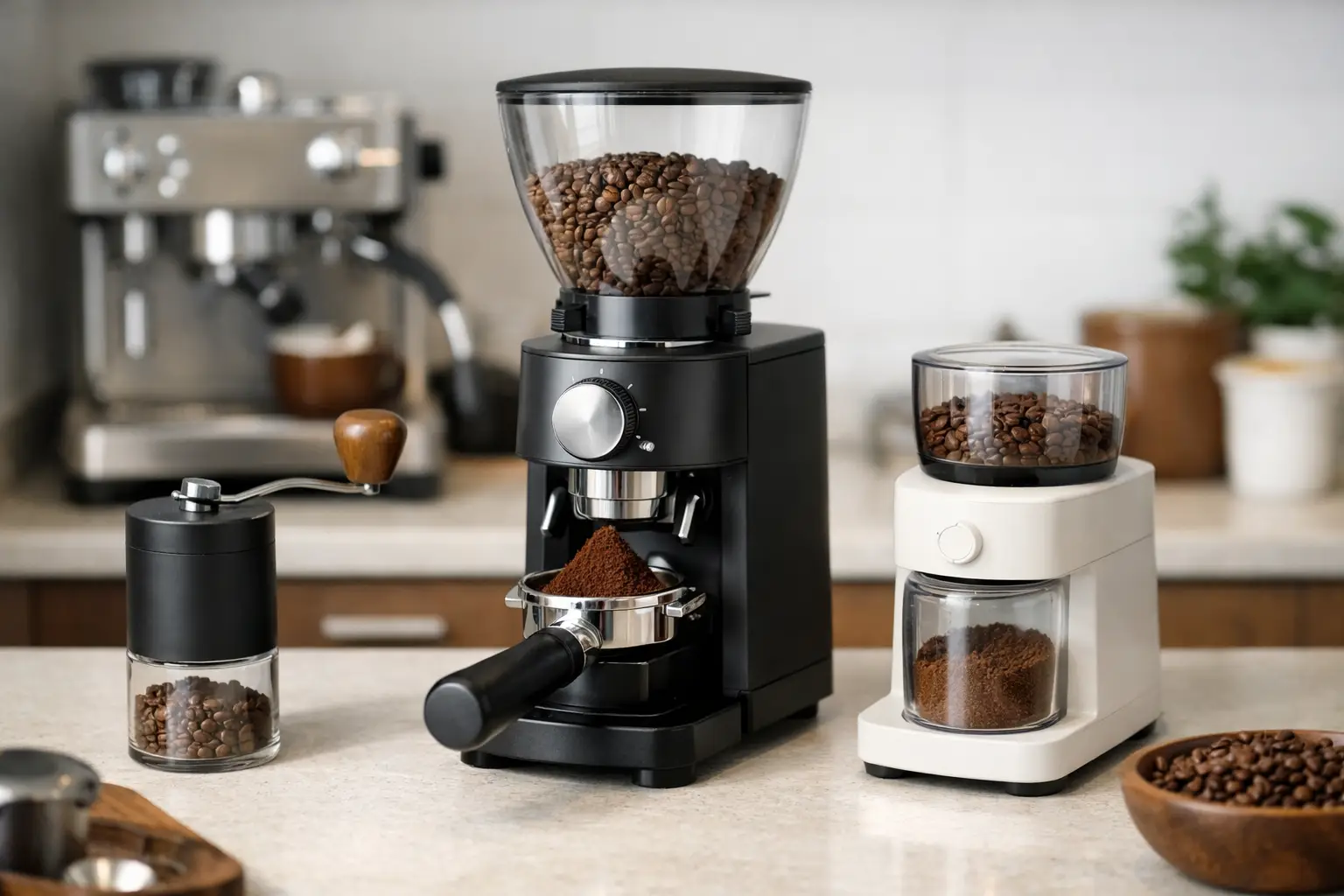
A home grinder is not a disposable convenience item. It is the tool that determines whether your flower breaks down evenly, whether your bowl burns predictably, and whether prep feels quick or turns into a fight with sticky threads and dull teeth. The best grinder for home setup use is one that matches how you consume, holds up to daily use, and is built with enough precision that it still works like it should years from now.
Cheap grinders can look acceptable in a product photo. Then the lid binds, the finish flakes, the teeth crush instead of cut, and the threads collect enough residue to make opening the grinder a two-handed job. A serious home setup deserves better. Start with the material, the machining, and the configuration, then choose the size that fits your actual routine.
What Makes the Best Grinder for Home Setup Use?
The biggest difference between a premium grinder and a generic one is not a flashy color or an oversized logo. It is control. Control over the material, tooth geometry, fit between components, finish, and inspection. Those details decide how the grinder feels in your hands and how consistently it handles dried herb.
For a home setup, 6061-T6 aluminum is the standard worth looking for. It is strong without being unnecessarily heavy, resists everyday wear, and gives a CNC machine the stability needed to cut clean, accurate features. Low-grade cast metal and mystery alloys are cheaper to make, but they are also more likely to dent, cross-thread, corrode, or develop rough movement over time.
Precision CNC machining matters for the same reason. When the pieces are made to tight tolerances, the lid seats correctly, the chambers align, and the action stays smooth. Thread-less magnetic designs take this a step further by eliminating one of the most common failure points in traditional grinders: sticky, damaged threads. A good magnetic closure should feel secure and intentional, not loose or gimmicky.
Teeth are equally important. Sharp, properly spaced teeth slice through flower instead of compacting it into uneven clumps. That creates a more consistent texture for packing a bowl, loading a dry herb vaporizer, or rolling. More teeth are not automatically better. Tooth shape, spacing, and the clearance between them matter far more than a large tooth count printed on a listing.
Choose the Chamber Count Before You Choose the Color
A grinder should fit your prep style, not force you into one. The right chamber configuration depends on whether you want the fastest possible grind, storage between sessions, or a separate screen for finer material.
Two-piece grinders: direct, fast, and built for daily use
A two-piece grinder is the cleanest answer for people who want immediate access to their ground flower. You load it, grind it, and use what comes out. There are no extra chambers to open, no screen to maintain, and fewer parts to collect residue.
This is often the best choice for a simple home smoking setup, especially if you grind only what you plan to use. A larger two-piece model also gives you a broad working surface and a more comfortable grip when handling denser flower. The trade-off is straightforward: it does not separate or store ground material. For many people, that is not a drawback. It is exactly the point.
Three-piece grinders: the practical middle ground
A three-piece grinder adds a dedicated chamber beneath the teeth. Ground flower drops through holes into that chamber, keeping the grinding surface separate from the material you are ready to use. It is a smart format for the person who wants a cleaner workflow without adding a screen.
For a home setup, this configuration offers useful capacity and organization. You can prepare enough for a few sessions while keeping the top chamber free for the next load. Look closely at the drop holes and chamber fit. If the holes are poorly sized or the components do not align cleanly, flower can hang up instead of falling through as intended.
Four-piece grinders: for people who want separation
A four-piece grinder includes the grinding section, a storage chamber, a screen, and a lower collection chamber. This design is for users who prefer to separate finer material from their regular ground flower over time.
It is not automatically the best option for everyone. Screens require occasional care, and an extra chamber means more parts to handle. But for a dedicated at-home consumer who likes a complete, organized prep tool, a well-made four-piece grinder is hard to beat. The screen should be properly fitted and durable enough to keep doing its job, not a fragile add-on that clogs immediately.
Size Changes the Entire Experience
Grinder diameter is not just about how much flower fits inside. It changes grip, leverage, portability, and how comfortable the tool is when you use it repeatedly.
Compact grinders are ideal when storage space is limited or when you want one tool that can move from your home setup to a pocket or travel bag. They are efficient for smaller loads, but their tighter grip can make them less forgiving with dense or sticky flower.
Mid-size grinders are the everyday sweet spot for many users. They offer enough surface area for comfortable twisting without taking over a drawer or rolling tray. If you normally prepare one or two sessions at a time, this is usually the most versatile size.
Oversized 90mm grinders are made for people who want real capacity and leverage. The larger diameter makes grinding easier on the hands, and the increased chamber space is useful for group sessions, frequent use, or anyone tired of making multiple small loads. They are not designed to disappear into a pocket. They are designed to dominate a home station.
Details Cheap Grinders Cannot Fake
A grinder can be made from aluminum and still be mediocre. The question is how that aluminum was machined, finished, assembled, and checked before it reached you.
Start with the lid. It should close confidently and stay in place during normal handling. With a magnetic design, the pull should feel deliberate, while the lid should remain easy to remove without twisting against dirty threads. Next, inspect the edges. Premium machining leaves clean transitions and comfortable surfaces, not sharp, unfinished areas that feel rushed.
Then consider the finish. A quality finish protects the grinder and gives it a surface that is easy to handle and clean. It should not be relied on to hide poor machining underneath. The best grinders feel precise before color or graphics enter the equation.
Finally, look at who is responsible when something goes wrong. A lifetime warranty is meaningful only when it comes from a manufacturer that controls its own work and stands behind it. In-house production means the people designing the grinder understand how it is cut, finished, assembled, inspected, and shipped. That level of accountability is very different from a generic listing with an unknown supply chain.
Tahoe Grinder Co builds its grinders in the USA from 6061-T6 aluminum, using precision CNC machining and thread-less magnetic designs made for long-term ownership, not short-term replacement.
Match Your Grinder to How You Consume
The texture you need is not identical for every method. A bowl usually benefits from a light, even grind that allows airflow without dropping overly fine pieces through. A joint or blunt needs material that distributes evenly and burns consistently. A dry herb vaporizer can be more sensitive, since an uneven grind may affect airflow and extraction.
That is why a sharp, accurately designed grinder earns its place in every setup. You should not have to overwork the lid, shake the grinder aggressively, or keep reopening it to break up the chunks it missed. With properly cut teeth and a well-designed chamber, the tool does the work cleanly.
Sticky flower is where build quality becomes obvious. Dense, resinous buds put real pressure on teeth, closures, and threads. Avoid forcing any grinder when it is overloaded. Break very large buds down by hand first, load the chamber with reasonable spacing, and use steady turns rather than brute force. A premium grinder makes the process easier, but smart use keeps every moving part performing at its best.
Make It the Center of a Better Home Setup
Your grinder should work with the rest of your station. Keep it near a rolling tray or clean prep surface so loose material stays contained. Empty the chamber before it becomes packed with old flower, and use a soft brush to clear teeth, screens, and corners when needed. A small amount of regular care prevents buildup from becoming a performance problem.
Do not buy based on novelty alone. Buy the chamber count that fits your routine, the diameter that feels right in your hands, and the construction that can handle years of use. The right grinder disappears into your process because it works every time. That is the standard a serious home setup should demand.