
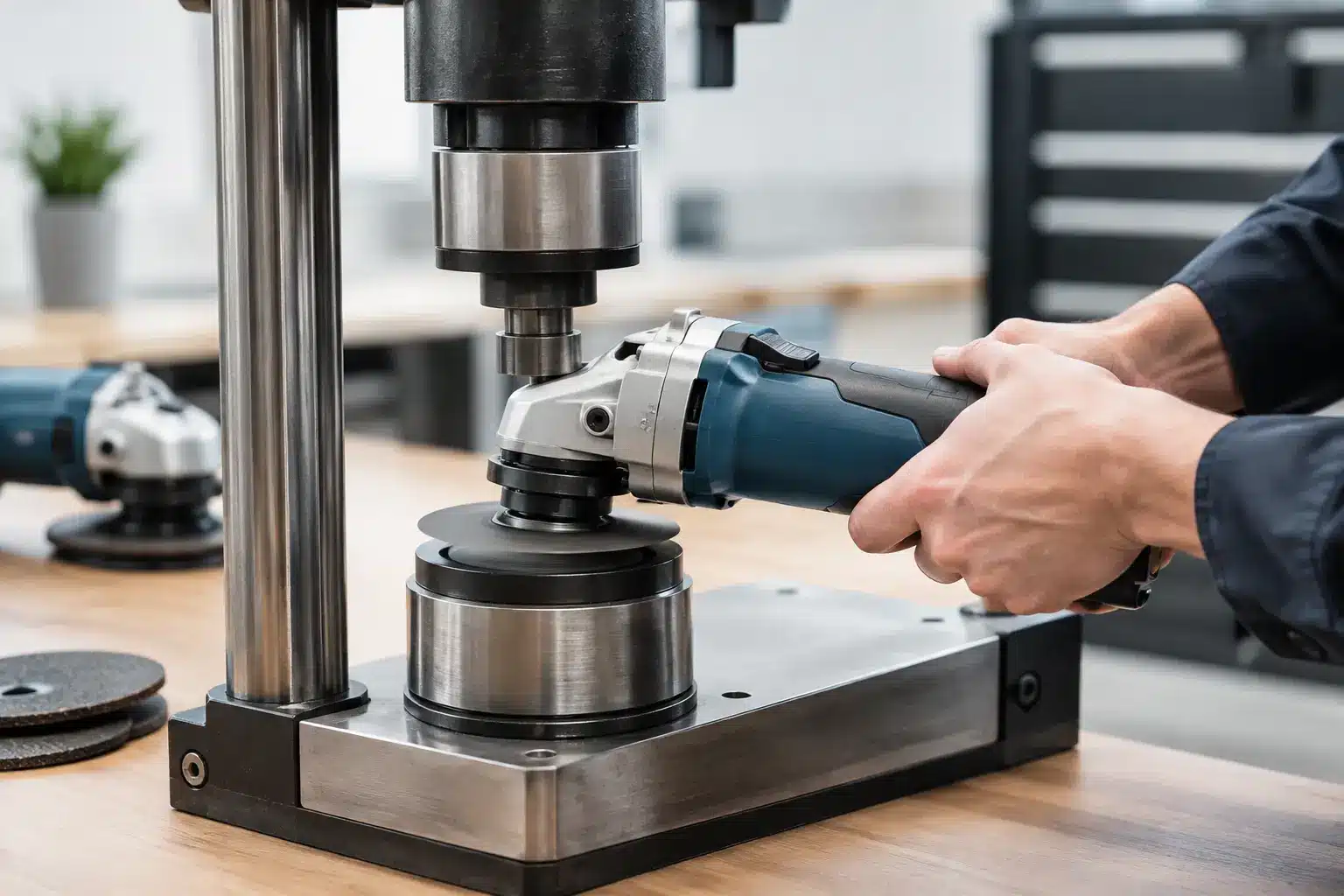
A grinder can look flawless when it comes out of the box and still fail where it counts: after hundreds of turns, sticky flower, pocket carry, repeated cleaning, and the occasional drop. Grinder durability testing is not about admiring a polished finish for five minutes. It is about finding out whether the tool continues to cut, close, align, and feel right after real use has had every chance to expose weak design.
For serious herb consumers, durability is performance. A grinder that binds under pressure, sheds finish, dulls its teeth, or develops loose-fitting parts turns a simple prep step into a daily annoyance. The difference between a disposable accessory and a long-term tool comes down to materials, machining, design, and how those elements hold up together.
What Grinder Durability Testing Should Measure
A meaningful durability test looks beyond whether a grinder technically still opens and shuts. Cheap grinders often pass that low bar. The real question is whether the grinder maintains the same controlled operation it had when new.
Start with the cutting system. Teeth should remain sharp enough to break down dried herb efficiently without crushing it into powder or forcing the user to muscle through every turn. Tooth geometry matters, but so does the base material beneath it. Weak cast metal and thin teeth are more likely to deform, chip, or lose their bite when packed with dense flower.
Thread performance is another common failure point, especially on conventional multi-piece grinders. Repeated opening, closing, and exposure to fine plant material can create gritty threads, cross-threading, or a lid that begins to wobble. A thread-less magnetic design removes that specific wear zone, but magnets and mating surfaces still need to stay properly seated and aligned over time.
Durability testing should also evaluate fit. The lid, grinding plate, storage chamber, and screen assembly need to maintain their tolerances after repeated cycles. If gaps open up, herb can spill. If parts become too tight, a grinder can jam. The best tools stay deliberate in the hand: secure closure, clean engagement, and no rattling components.
The Daily-Use Tests That Reveal Weak Grinders
Laboratory-style testing can be useful, but daily use is where design earns its reputation. A credible grinder durability testing process simulates the situations that punish accessories most often.
Repeated Grinding Cycles
Cycle testing means opening, loading, grinding, and closing the unit again and again. This exposes gradual changes in tooth sharpness, lid retention, alignment, and turning resistance. A premium grinder should not feel dramatically different after sustained use. It should keep producing a consistent texture without requiring more force as time goes on.
This test also reveals whether the cutting plate stays stable. When parts flex or loosen, the grind becomes uneven. Instead of a clean, fluffy result that packs and burns predictably, users get chunks mixed with dust. That is not a small cosmetic issue. It affects how the herb handles from the rolling tray to the bowl or vaporizer.
Sticky Herb and Residue Exposure
Resin is a reality, not a defect. Dense, fresh, or high-resin flower will leave material on every grinder eventually. The issue is whether the grinder’s design makes normal buildup manageable or allows it to turn into a permanent drag problem.
Testing with sticky herb shows how well clearances, tooth spacing, and interior surfaces resist binding. A poorly finished grinder tends to trap material in rough spots and narrow corners. A precisely machined grinder gives residue fewer places to anchor, making routine cleaning more effective and helping the action stay smooth.
No honest manufacturer should claim that any grinder is immune to buildup. It depends on the flower, how full the chamber is, and how often the tool is cleaned. The standard should be simpler: normal maintenance restores the performance instead of merely delaying failure.
Drop and Impact Resistance
Grinders get knocked off coffee tables, dropped on patios, and tossed into bags with other gear. Impact testing checks whether a body dents, teeth bend, magnets shift, screens pop loose, or lids lose their secure fit after a fall.
Aluminum is a smart material choice because it offers a strong balance of weight, corrosion resistance, and machinability. But “aluminum grinder” alone does not tell the whole story. Material grade, wall thickness, machining quality, and the way individual components are assembled all affect how the grinder handles impact.
6061-T6 aluminum is widely respected for its strength and resistance to everyday abuse. When it is CNC-machined rather than cheaply cast, manufacturers can control dimensions more tightly and create a more substantial part. That does not make any tool invincible, but it creates a far better starting point than bargain metal built around the lowest possible price.
Finish and Corrosion Checks
A grinder’s finish takes constant contact from hands, pockets, cleaning tools, and plant material. A weak coating can scratch, fade, flake, or leave the grinder looking worn long before its mechanical parts should be finished.
Testing should inspect the finish after regular handling and cleaning, not just when the grinder is pristine. The goal is not to promise that a frequently used tool will never show a mark. The goal is a finish that remains stable, clean-looking, and appropriate for a product built to stay in rotation for years.
Screen and Chamber Testing
For 4-piece grinders, the screen and collection chamber deserve their own scrutiny. A screen that sags, tears, shifts, or clogs beyond reasonable cleaning defeats the purpose of the design. Threads or closures on lower chambers must also remain easy to open while keeping finely ground material contained.
A 2-piece grinder has fewer parts to test and fewer potential points of failure. That makes it an excellent choice for users who want a compact, direct grinding tool. A 3-piece or 4-piece model adds storage and separation benefits, but it also demands stronger engineering across every additional component. Configuration should match how you use herb, not simply offer more pieces for the sake of it.
Why Machining Tolerances Matter More Than Marketing
The word “premium” gets used freely in the grinder market. It only means something when the machining supports it. Tight tolerances determine how surfaces meet, how lids sit, how chambers align, and whether the grinder has the clean mechanical feel buyers notice immediately.
Loose tolerances create problems that compound with use. A lid may rock slightly. A threaded section may start unevenly. Teeth may not meet the material at the intended angle. Small inconsistencies become more obvious once resin, pressure, and repeated handling enter the picture.
Precision CNC machining gives a manufacturer control over these details from design through production. That control is especially valuable when manufacturing, finishing, assembly, inspection, and fulfillment are handled under one roof. Tahoe Grinder Co builds its grinders in the USA with that direct control in mind, because a lifetime-grade tool cannot be treated like a generic drop-shipped accessory.
How to Judge Durability Before You Buy
You cannot run a thousand-cycle test from a product page, but you can look for the evidence that predicts long-term performance. Start with the material specification. A clear callout such as 6061-T6 aluminum is more meaningful than vague language about “high-quality metal.” Then look at the construction: are the teeth machined as part of the body, are closures designed to stay secure, and are there unnecessary weak points?
Pay attention to the warranty, too. A lifetime warranty is not a substitute for engineering, but it shows whether a manufacturer is willing to stand behind its work after the order ships. The best warranty is backed by a company that controls the product and can inspect the same standards it claims to sell.
Finally, choose the size and configuration that fits your actual routine. An oversized 90mm grinder can process more herb with less crowding, while a compact model may make more sense for travel and smaller sessions. Buying the wrong format can make even a well-built grinder feel inconvenient. Buying a properly engineered format makes every use feel intentional.
A durable grinder should disappear into your routine for the right reason: it works the same way every time. Choose one built to take the pressure, keep its precision, and earn its place as the last weed grinder you need to buy.