
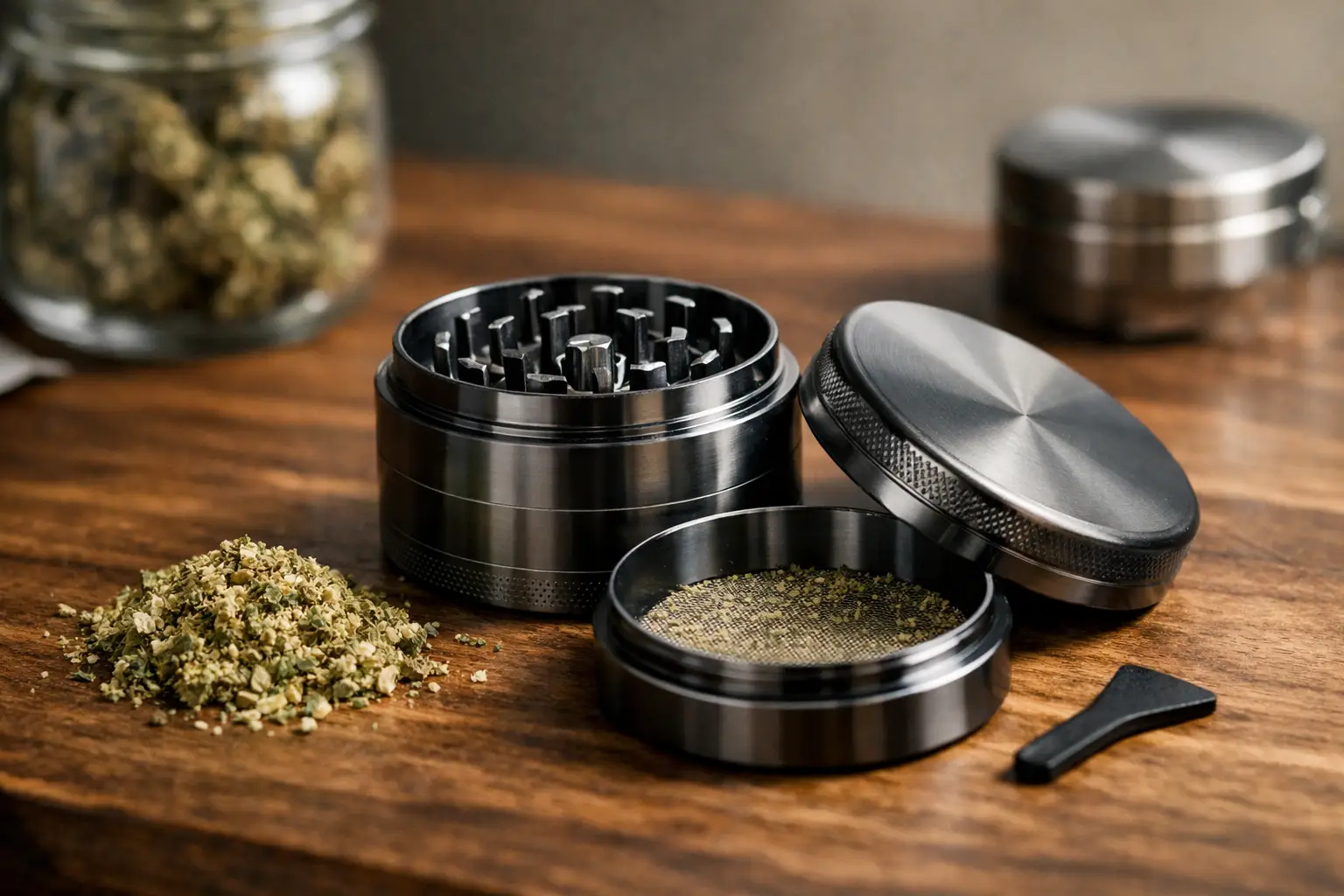
A grinder usually tells on itself fast. If the teeth dull, the threads bind, or the lid starts wobbling after a few weeks, the problem is not bad luck – it is bad manufacturing. That is why a lifetime warranty weed grinder gets attention from serious herb users. When a company is willing to stand behind the product for the long haul, it says something about the way that grinder was designed, machined, assembled, and inspected before it ever reached your hands.
What a lifetime warranty weed grinder really means
A warranty is easy to print on a product page. It is much harder to support after thousands of units are in circulation. The difference matters.
A real lifetime warranty weed grinder is usually backed by a manufacturer that expects the grinder to survive years of daily use. That confidence should come from material choice, machining precision, and production control, not from marketing language. If a grinder is made from low-grade metal, cut with loose tolerances, or sourced from a generic catalog, the warranty can become little more than a cushion for preventable quality problems.
For the buyer, the warranty is not the product. It is proof of how the product was built. The grinder still has to perform every day. It still has to shred evenly, stay smooth under pressure, and hold alignment over time. If it cannot do those things, a generous warranty just means you may get to replace a weak grinder with another weak grinder.
The build quality behind a grinder that lasts
The best grinders are not durable by accident. Longevity comes from engineering decisions that eliminate the usual failure points.
Material is the first checkpoint. A premium aluminum grinder made from 6061-T6 has a very different feel and lifespan than cheap pot metal or soft anonymous alloy. Stronger aluminum resists deformation, holds machining detail better, and stands up to repeated use without feeling flimsy. You notice that in the threads or, better yet, in a thread-less magnetic design that avoids thread wear altogether.
Machining quality matters just as much. Tight tolerances keep the lid seated correctly, the chambers aligned, and the cutting surfaces consistent from one rotation to the next. When tolerances are loose, you get wobble, friction, metal dust concerns, and parts that feel rough long before they should. A grinder should feel deliberate. It should rotate with control, not slop.
Then there are the teeth. Tooth geometry affects more than speed. It determines how the grinder processes herb, how evenly it breaks material down, and how much force you need to apply. Sharp, well-designed teeth cut cleanly. Poorly designed teeth mash, clump, and fight you on every turn. Over time, bad tooth design makes a grinder feel worse even if the exterior still looks fine.
Why cheap grinders fail so often
Most people do not upgrade to a premium grinder because they are chasing luxury. They upgrade because they are tired of dealing with the same problems.
Cheap grinders tend to fail in predictable ways. Threads cross. Finishes wear unevenly. Teeth dull. Chambers start sticking because tolerances were inconsistent from the start. Some collect residue so aggressively that they become a chore to use. Others never produced a consistent grind in the first place.
That matters because grind quality changes the whole experience. Uneven herb does not pack as cleanly, burn as evenly, or handle as well when you are rolling. Fine powder in one section and chunky pieces in another is not a small issue. It affects airflow, flavor, and efficiency. A grinder is not just storage with teeth. It is a functional tool that shapes every session.
So when buyers ask whether a lifetime warranty is worth paying for, the better question is what kind of grinder they are actually buying. If the design and manufacturing are right, the warranty becomes a meaningful advantage. If they are not, it is just a safety net under a weak product.
What to look for beyond the warranty
A smart buyer looks at the grinder first and the warranty second.
Start with where and how it is made. Brands that control design, machining, finishing, assembly, and inspection tend to deliver more consistency than sellers that source from whichever overseas supplier is cheapest that quarter. Production control is a quality signal. It means the company knows exactly what its grinder is, because it built it.
Next, look at the grinder format. A 2-piece grinder is simple and direct. It is ideal if you want fast grinding without extra chambers. A 3-piece adds storage and separation. A 4-piece grinder is the classic option for users who want more utility, including a kief chamber. None of these is automatically best. It depends on how you prep herb, how often you clean, and whether you want a compact daily carry or a full-size home grinder.
Size also changes performance. Smaller grinders are easy to carry, but they can feel cramped if you grind larger amounts. Larger grinders usually offer more leverage, more capacity, and a more comfortable rotation, especially for frequent users. If you regularly prep multiple sessions at once, going larger often makes sense.
Finally, pay attention to the lid and closure system. Magnetic lids remove one of the most common wear points in traditional grinders. They also make access faster and cleaner. That is not a gimmick. It is a practical design improvement when executed well.
Does a lifetime warranty cover everything?
Not always, and that is where buyers should be realistic.
A strong warranty usually covers defects in materials and workmanship. That can include issues like structural failure, mis-machined parts, or abnormal wear caused by manufacturing flaws. What it may not cover is abuse, neglect, or damage from using the grinder in ways it was never meant to handle.
That distinction is fair. Even a premium grinder is still a precision tool. If it is dropped onto concrete, packed with the wrong material, or never cleaned despite obvious residue buildup, some performance issues are user-created. A company standing behind its product for life should not be confused with a company promising physics no longer applies.
The good sign is clarity. If a brand is vague about what the warranty covers, or makes the claim sound oversized while hiding the details, pay attention. Confidence is strongest when it is specific.
Why manufacturing control matters more than branding
A lot of grinders are sold like commodities. New logo, same body, same internals, same problems.
The brands worth taking seriously are the ones that manufacture with intention. That means controlling tolerances, choosing material for performance instead of cost cutting, and building grinders that feel engineered instead of simply decorated. It also means faster accountability. When the same company designs, machines, finishes, inspects, and ships the grinder, there is no mystery about where quality comes from or where responsibility sits.
That is a major reason premium buyers gravitate toward specialist manufacturers instead of random smoke shop inventory. They are not just buying anodized metal. They are buying process control, consistency, and a much better shot at owning a grinder that still performs years from now.
Tahoe Grinder Co is built around exactly that idea – a premium, American-made grinder should feel like the last one you need to buy, not another temporary upgrade on the way to the next replacement.
Is a lifetime warranty weed grinder worth it?
If you use your grinder occasionally and do not care much about consistency, maybe not. There are plenty of low-cost options that will work for a while. That is the trade-off. You spend less upfront, but you are more likely to deal with sticking, uneven grinding, faster wear, and eventual replacement.
If you use dried herb regularly, the answer changes fast. A premium grinder pays you back in smoother operation, better grind consistency, less frustration, and a longer service life. Add a real warranty behind that build quality, and the value becomes obvious. You are not just paying for coverage. You are paying for a tool that was made with enough confidence to earn that coverage.
That is what separates a serious grinder from a disposable one. Not hype. Not flashy colors. Not oversized claims without substance. Real materials, tight machining, smart design, and a warranty that reflects all of it.
Buy the grinder like you plan to keep it. That usually turns out to be the cheaper move.