
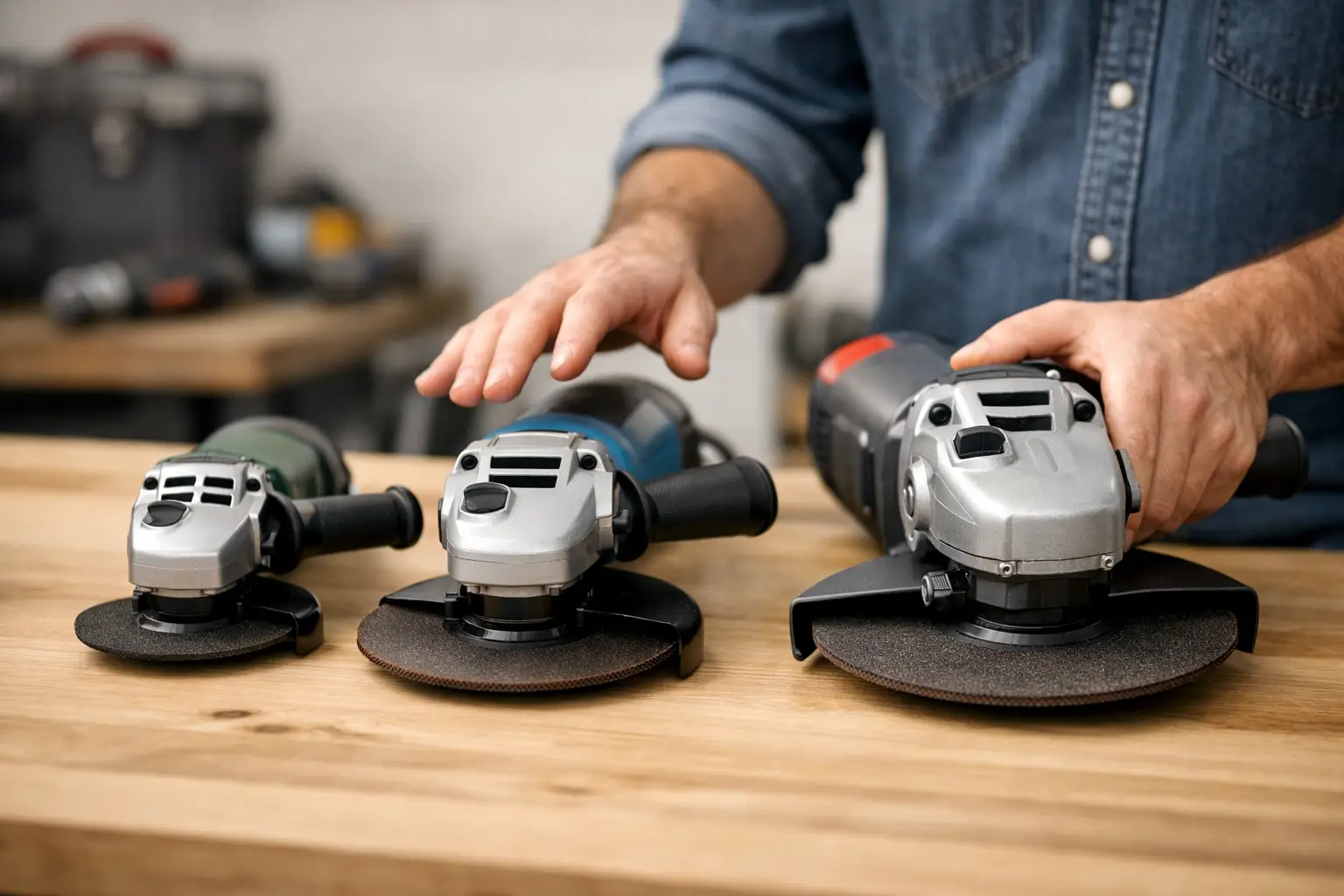
A grinder that looks great in photos can still be the wrong tool the second you put real flower in it. Too small, and every session turns into repeated reloads. Too large, and it feels bulky, wasteful, or awkward for the way you actually smoke. If you’re trying to figure out how to choose grinder size, the right answer starts with how much herb you grind, how often you use it, and where that grinder lives day to day.
Most buyers make the mistake of treating grinder size like a style choice. It is really a performance decision. Diameter affects capacity, leverage, speed, comfort, and even how consistent the grind feels from one turn to the next. A better grinder experience starts with matching size to use case, not guessing based on what seems standard.
How to choose grinder size by real-world use
The fastest way to choose correctly is to think in terms of sessions, not measurements alone. A smaller grinder can be perfect for one person who packs a bowl at night and wants something compact. The same grinder becomes frustrating for someone rolling multiple joints for a weekend trip. Bigger is not automatically better, but the wrong capacity becomes obvious fast.
If you usually grind a small amount at a time and care about portability, compact grinders make sense. They take up less pocket or bag space, weigh less, and feel more discreet. They are also easier to stash in a small setup. The trade-off is simple: less room means less throughput. If you overpack them, they can feel slower and more resistant than they should.
Mid-size grinders tend to be the sweet spot for most smokers. They give you enough capacity for regular personal use without becoming oversized or clumsy. For people who grind for a couple sessions at once, share occasionally, or want a grinder that stays on the tray without dominating it, this is usually the safest bet.
Larger grinders are built for volume and ease. More diameter gives you more leverage, which usually means less effort when breaking down dense flower. You also get more tooth coverage across the surface, which helps process bigger loads efficiently. If you smoke frequently, share often, or simply hate reloading a grinder multiple times, moving up in size can make every session smoother.
Small, medium, and large grinder sizes
There is no universal standard across every brand, but most grinder sizes fall into clear ranges. Small models are often around 40mm to 50mm. Mid-size options usually land around 55mm to 65mm. Large grinders often start around 70mm and can run up to 90mm or more.
That measurement refers to diameter, and diameter matters more than most people realize. A 90mm grinder does not just hold a little more herb than a 50mm grinder. It feels like a different class of tool. The larger grinding surface changes how much flower you can spread out, how evenly the teeth engage, and how much torque you get from each turn.
This is why shoppers comparing grinder sizes should avoid thinking only in terms of storage. Capacity is part of it, but handling matters just as much. A grinder should feel natural in your hand and efficient in use. If it fights you, it is the wrong size or the wrong build.
Capacity matters, but so does your session style
If you mostly grind enough for one bowl, snap, or quick personal session, a smaller grinder can feel efficient because it keeps the process tight. You load it, turn it, and use everything you ground. There is less extra material sitting around, and the grinder stays easy to carry.
If you prefer to prep flower ahead of time, a larger size starts making more sense. Some smokers want enough ground herb ready for the night. Others are rolling with friends, filling cones, or packing multiple pieces in one sitting. In those cases, extra capacity is not a luxury. It saves time and cuts down on repeated grinding.
There is also a cleanliness factor. Overstuffing a grinder because it is too small leads to worse performance. Herb gets compressed instead of cut cleanly. The turn gets heavier. Texture becomes less even. A properly sized grinder gives flower room to move through the teeth instead of getting mashed into them.
Grinder size and chamber type go together
Size is only half the equation. Configuration changes how that size feels in practice. A 2-piece grinder stays more compact because grinding and storage happen in the same basic form. It is simple, fast, and ideal for users who do not care about extra chambers.
A 3-piece grinder adds a storage chamber below the teeth, which changes the overall footprint and convenience. If you want to grind more at once and keep it ready, this setup can make a mid-size grinder feel more useful than a larger 2-piece.
A 4-piece grinder adds filtration and kief collection. That gives you more function, but also more height and a slightly different use pattern. For some buyers, that added chamber system is worth it because they want separation and collection over time. For others, especially users who want the fastest, cleanest workflow, a simpler setup in the right diameter is the better tool.
That is why learning how to choose grinder size really means choosing size and configuration together. A small 4-piece and a large 2-piece can solve very different problems.
Portability versus comfort
Pocketability sounds great until you actually have to use the grinder every day. Very small grinders travel well, but they can be less comfortable for users with larger hands or for anyone grinding sticky, dense flower regularly. You have less edge to grip and less leverage to work with.
On the other side, oversized grinders are excellent on a tray or desk but may be excessive if you mainly want a grab-and-go piece. The best size is the one you will actually enjoy using, not the one that wins on paper.
A good rule is this: if your grinder mostly stays at home, lean bigger. If it needs to move with you often, lean smaller. If you want one grinder to do both reasonably well, mid-size is usually the strongest all-around choice.
Why build quality changes the size decision
Cheap grinders distort the whole conversation because poor machining makes any size perform badly. A small low-grade grinder may bind because tolerances are sloppy. A large one may feel loose, uneven, or inconsistent because the teeth are poorly cut and the fit is off. Buyers then blame the size when the real problem is quality.
A precision-machined aluminum grinder behaves differently. Threads or magnetic closures fit correctly. Teeth engage evenly. The lid sits true. The grinder keeps turning the way it should after repeated use. That means you can choose based on actual needs instead of compensating for bad manufacturing.
This is especially important in larger diameters. As size increases, quality control matters more, not less. A big grinder should feel powerful and smooth, not oversized and sloppy. That only happens when machining tolerances are tight and the material is built for repeated use.
When to size up
If your current grinder takes multiple loads to get through a normal session, size up. If you share often, size up. If you grind sticky flower and want more leverage, size up. If you use cones, roll frequently, or prefer to prep in batches, size up.
A larger grinder is also a smart move for people replacing cheap grinders that constantly jam. More room and more leverage can improve the experience immediately, assuming the grinder is actually well made.
When to stay compact
Stay compact if you value portability first, use small amounts at a time, or want the simplest possible setup. Smaller grinders also make sense for occasional smokers who do not need volume and do not want extra bulk on the tray.
There is nothing entry-level about choosing a smaller size if it fits your routine. The wrong move is buying bigger out of assumption and ending up with a tool that feels oversized for every session.
For most adults buying one serious grinder, the smartest move is to think honestly about usage frequency, load size, and where the grinder spends most of its life. If you want the broadest balance of comfort, capacity, and versatility, mid-size usually wins. If you want maximum output and easier turning, go large. If you want true portability and personal-session efficiency, stay compact.
A grinder should feel like a permanent upgrade, not another accessory you tolerate. Buy the size that matches your routine, and the rest of your setup gets easier from the first turn.