
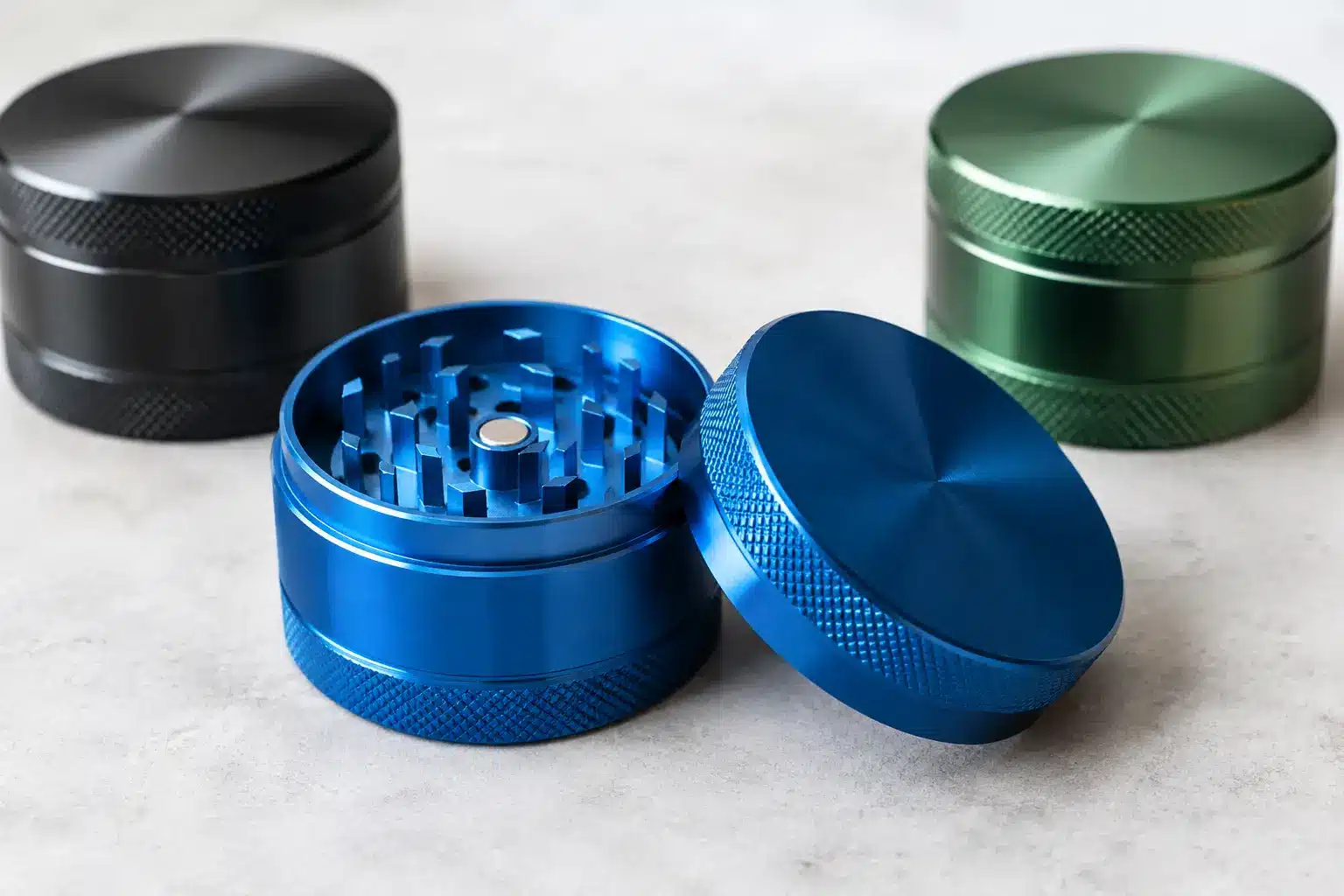
A grinder can look flawless on day one and still tell you a lot about its build quality months later. That is why shoppers ask, can anodized grinders chip? The honest answer is yes, they can – but the reason, location, and severity matter far more than the simple fact that a mark appeared.
Anodizing is not a magic force field. It is a protective surface treatment for aluminum, and a well-executed anodized finish is dramatically tougher than bare, painted, or cheaply coated metal. Still, a hard impact onto concrete, repeated contact with abrasive objects, or poor manufacturing can damage even a quality finish. The difference is whether your grinder gets a small cosmetic battle scar after real abuse or starts flaking, fading, binding, and looking worn out after normal use.
Can Anodized Grinders Chip Under Normal Use?
A properly made anodized aluminum grinder should not chip from opening it, grinding dried herb, cleaning it carefully, or carrying it in a pocket by itself. Those are ordinary ownership conditions. If color begins lifting around the teeth, threads, or lid after minimal use, the issue is usually not that anodizing is inherently weak. It is more likely a thin finish, poor surface preparation, inferior aluminum, weak sealing, or loose tolerances that allow metal parts to rub where they should not.
A serious grinder is machined first and finished second. That order matters. CNC machining determines whether the lid seats correctly, whether the chambers align, and whether moving surfaces maintain controlled clearance. Anodizing protects the finished aluminum, but it cannot rescue sloppy geometry.
The situations most likely to cause a genuine chip are more extreme: dropping a grinder hard onto pavement, crushing it against another metal object, striking an edge with a tool, or repeatedly tossing it loose into a bag with keys. Anodized aluminum is durable, but it is not indestructible. A sharp impact concentrates force in one tiny area, which can crack or chip the oxide layer at that point.
What Anodizing Actually Does for a Grinder
Anodizing is an electrochemical process that converts the outer surface of aluminum into a controlled aluminum oxide layer. Unlike paint, it is not simply sprayed on top of the metal. The protective layer grows from the aluminum itself, creating a finish that is tightly bonded to the substrate.
For a weed grinder, that matters because the tool sees constant hand contact, herb oils, friction around the lid, and occasional cleaning. A good anodized finish helps resist corrosion, makes the surface easier to maintain, and delivers color without the peeling behavior associated with bargain paint coatings.
There are different grades of anodizing. Decorative anodizing, often called Type II, is common for colored consumer products. Hardcoat anodizing, commonly called Type III, creates a thicker, more wear-resistant oxide layer and is often used where surface durability takes priority. Neither process makes a grinder immune to damage, and a thicker hardcoat can be less forgiving under a sharp impact because hard surfaces can fracture rather than dent.
That trade-off is worth understanding. A finish designed for abrasion resistance may handle daily handling exceptionally well, while a severe drop can still leave a visible mark. For most consumers, the real goal is not a finish that survives every imaginable accident. It is a grinder that stays clean, functional, and sharp-looking through years of actual use.
Chipping Is Different From Wear
Not every change in an anodized grinder is a chip. Normal wear may appear as light polishing on raised edges or subtle changes where your fingers repeatedly grip the same spot. A chip is usually more defined: a small missing area of color or oxide layer, often caused by impact.
Fading is another separate issue. Sun exposure, harsh cleaners, and weak dyes can affect color over time. If a grinder is left in direct sunlight for long periods or regularly soaked in aggressive chemicals, the finish may lose some visual depth even when the metal itself remains protected.
Peeling, however, is a red flag. True anodizing does not behave like a layer of cheap paint that lifts away in sheets. If large areas are flaking off, you may be looking at a painted, powder-coated, or poorly finished product rather than a properly anodized grinder.
Why Grinder Design Matters as Much as the Finish
A finish gets blamed for problems that often begin with weak engineering. Poorly aligned threaded grinders can grind against themselves. Low-quality teeth can burr, bend, or create metal-on-metal contact. Loose lids can rattle and wear at the contact points. Every one of those issues accelerates cosmetic damage while making the grinder less enjoyable to use.
That is why the best defense against finish wear starts with the tool itself. Precision machining, clean chamber alignment, and properly controlled mating surfaces reduce unnecessary friction. Thread-less magnetic designs remove one of the most common areas for cross-threading, sticking, and repeated edge wear. The fewer places a grinder can scrape itself during normal operation, the longer its finish has a chance to look its best.
Material also matters. 6061-T6 aluminum is a proven choice for premium grinders because it offers an excellent balance of strength, machinability, corrosion resistance, and anodizing performance. It is not chosen because it is the cheapest metal available. It is chosen because it can be machined to precise tolerances and finished into a tool built for repeated use.
At Tahoe Grinder Co, that manufacturing control is handled in-house, from CNC machining through finishing, assembly, inspection, and fulfillment. For buyers, that means the person selling the grinder is not guessing how it was made. They control the process that determines how it performs.
How to Keep an Anodized Grinder Looking New
You do not need a complicated maintenance routine. Treat a premium grinder like the precision tool it is, not like disposable smoke-shop hardware.
Keep it away from hard loose objects when possible. A grinder thrown into a glove box with coins, a metal lighter, and keys is more likely to collect edge dings than one stored in a dedicated pocket or pouch. After a drop, inspect the lid, teeth, and chamber alignment before forcing anything open or closed.
For cleaning, use a soft brush to remove loose plant material. If deeper cleaning is needed, use a method appropriate for anodized aluminum and avoid extended exposure to harsh chemicals. Do not attack stuck residue with knives, screwdrivers, or abrasive pads. Those methods can scratch the finish, damage teeth, and create the very problems people mistake for ordinary wear.
Also avoid forcing a grinder that is overloaded or gummed up. Dense, sticky herb can make any grinder feel tight. Clearing buildup early protects the teeth and prevents users from applying excessive torque to the lid or chambers.
What to Look for Before You Buy
If finish durability matters to you, look beyond color options and product photos. Ask what aluminum is used, whether the grinder is machined or cast, and whether the company stands behind it after the sale. A lifetime warranty does not mean a product can never meet concrete at the wrong angle. It does mean the manufacturer is confident enough in its construction to take long-term ownership seriously.
Pay attention to the design as well. Choose the chamber configuration that matches how you use herb: a simple 2-piece for fast grinding, a 3-piece for storage and separation, or a 4-piece for added collection capability. More parts do not automatically mean better quality. Precise fit and purposeful design do.
An anodized grinder can chip if it takes a hard enough hit. That is material reality, not a defect by default. But under normal use, a well-machined 6061-T6 aluminum grinder with a quality anodized finish should remain a durable, high-performance part of your setup for a very long time. Buy the one built to take the work, then give it the basic care any serious tool deserves.