
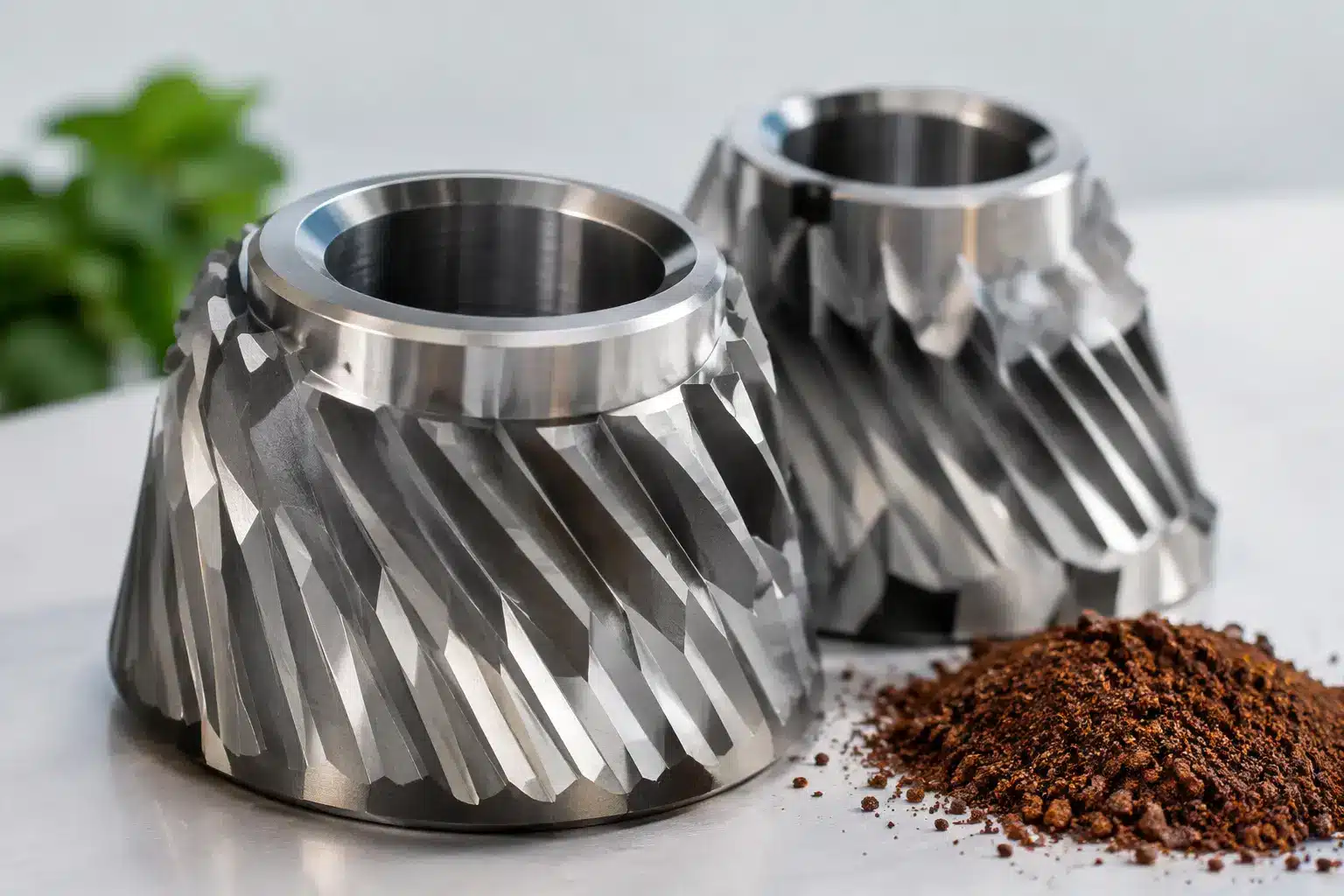
Precision milled grinder teeth are the difference between a grinder that feels like a serious tool and one that turns a simple prep step into a sticky, uneven fight. The teeth do not just break herb apart. Their shape, spacing, alignment, and finish determine how consistently your material is cut, how easily the grinder turns, and whether it keeps performing after months of real use.
Cheap grinders often hide weak engineering behind loud colors, oversized logos, or a low price. Open one after a few sessions and the problem is obvious: dull or poorly formed teeth mash herb instead of slicing through it. Material packs into the chamber, the lid binds, and the resulting texture can be either dusty, chunky, or both in the same load.
A properly CNC-machined grinder is built to avoid that failure cycle. At Tahoe Grinder Co, machining is treated as the core of the product, not an afterthought. That matters most where the herb meets the metal.
What Precision Milled Grinder Teeth Actually Do
A grinder tooth is a cutting feature, not a decorative spike. Its job is to catch dried herb, guide it through the grinding chamber, and reduce it into a usable, consistent texture with controlled force. The best result is not the finest possible grind. It is a repeatable grind that fits how you smoke.
Precision milled grinder teeth are cut to a defined geometry on CNC equipment rather than formed loosely through low-control manufacturing. That gives the manufacturer control over tooth profile, height, angle, spacing, and placement across each half of the grinder. Those details work together.
Sharp, well-positioned teeth engage the herb early in the rotation. Instead of compressing material into a dense clump, they create multiple clean cutting points throughout the chamber. Proper spacing gives material somewhere to move as it breaks down. The grinder turns with less resistance, and the herb passes through more evenly.
That is why a quality grinder can feel noticeably better from the first turn. It is not magic and it is not just the weight in your hand. It is controlled geometry doing its job.
Tooth Geometry Controls Your Grind
The word “sharp” gets used constantly in grinder marketing, but sharpness alone is not the whole story. An aggressively pointed tooth can initially bite into herb well, yet an unbalanced layout may still leave larger pieces trapped along the outer edge. A useful grinder needs a complete tooth pattern, not simply a chamber full of spikes.
Height and profile
Tooth height affects how deeply the grinder reaches into a loaded chamber. Too short, and the teeth may skim or mash material. Too tall, and they can create unnecessary resistance or crowd the chamber. A purposeful profile creates enough engagement to process herb efficiently without demanding excessive pressure from the user.
The tooth’s profile also influences the finished consistency. A well-milled cutting face helps separate herb into usable pieces. A dull, rounded, or poorly finished feature is more likely to tear and compress it. That distinction becomes especially clear with fresh, sticky flower, where low-quality grinders tend to clog first.
Spacing and pattern
Spacing controls flow. Each tooth needs room around it for herb to shift and fall as the grinder rotates. If the pattern is too crowded, material compacts and binds. If it is too sparse, large pieces can slip through without enough cutting action.
The pattern must also be balanced across both grinder halves. When the upper and lower teeth are positioned to work together, they create consistent shearing action throughout the chamber. This is one reason precision matters more than a random tooth count. More teeth do not automatically mean better performance. Correctly placed teeth do.
Alignment and tolerances
A grinder can have excellent-looking teeth and still perform poorly if the parts are not machined to close tolerances. The two halves need to meet cleanly, rotate true, and maintain appropriate clearance. Excessive play leads to a loose, sloppy feel. Too little clearance can cause rubbing and drag.
Precision CNC machining gives manufacturers control over these relationships. It creates a grinder that feels intentional in motion, not like two metal parts forced together and hoped for the best.
Why CNC Machining Beats Generic Grinder Construction
Many low-cost grinders are mass-produced with manufacturing shortcuts that prioritize volume over long-term performance. The tooth shapes can vary, edge quality can be inconsistent, and the fit between components may be unreliable. They may work for a while, but sticky herb exposes weak construction quickly.
CNC machining is slower and more exacting because every critical feature is cut from a programmed design. The process allows tight repeatability across production, so a grinder is not dependent on luck. Tooth locations, chamber depth, thread or magnetic interfaces, and mating surfaces can all be made to a controlled specification.
Material matters, too. A grinder cut from 6061-T6 aluminum has the strength and durability expected from a serious daily-use accessory while remaining comfortably portable. It is a practical material for machined products because it supports precise finishing without turning a grinder into dead weight.
That does not mean every CNC grinder is automatically excellent. Toolpaths, finishing standards, tooth design, quality inspection, and assembly still matter. CNC capability is the starting point. Real performance comes from using that capability with discipline.
The Grind You Want Depends on How You Use Herb
The right tooth design should produce a versatile, consistent texture, but the ideal end result depends on your preferred consumption method and the moisture level of your flower.
For a bowl, many users want an even, medium texture that packs without blocking airflow. For joints and blunts, a uniform grind helps the material distribute more consistently and burn more predictably. For dry herb vaporizers, consistency is especially valuable because uneven chunks can heat at different rates and make a session less controlled.
A four-piece grinder adds a collection chamber and screen beneath the grinding section. That setup is useful for people who want to separate finer material over time. A two-piece grinder is more direct: grind, open, and use the herb immediately. Neither configuration changes the importance of tooth quality. The cutting chamber remains the part that decides whether preparation is clean and efficient or frustrating.
Very dry flower will break down quickly in almost any grinder, which can hide poor tooth design at first. Sticky or denser flower is the real test. Quality precision milled teeth should maintain their bite, prevent excessive packing, and keep the chamber moving without requiring you to force the lid.
Signs Your Grinder Teeth Are Holding You Back
If your grinder needs repeated forceful turns to get through a normal load, do not assume that is just how grinding works. Resistance can come from overloading, particularly sticky herb, or material caught in the rim. But when it happens consistently, the tooth layout and part fit are worth questioning.
Uneven output is another clear sign. Large pieces mixed with powder usually point to weak cutting action or poor material flow through the chamber. Herb that collects in compressed clumps around the teeth is also a problem. It wastes material, slows cleanup, and makes every session more annoying than it needs to be.
Watch for these four signs when comparing grinders:
- Teeth that look rounded, uneven, or roughly finished
- A lid that wobbles, rubs, or binds during rotation
- Herb that sticks in packed layers instead of falling through cleanly
- A grind that changes wildly from one load to the next
Cleaning can improve performance, but it cannot correct bad geometry. A well-made grinder is easier to maintain because the cutting chamber is designed to move material, not trap it.
Build Quality Is Part of the Cutting System
The teeth get the attention, but they do not operate alone. The outer grip needs to give your fingers leverage. The chamber needs enough volume for the amount you typically prepare. The lid and closure system need to stay secure without becoming a weak point.
Thread-less magnetic designs are especially useful for frequent users because they eliminate the cross-threading issue found on poorly made screw-top grinders. They also make loading and opening faster. The trade-off is simple: the magnet and the mating surfaces have to be engineered correctly. A loose magnetic lid feels cheap; a properly fitted one feels fast and secure.
Size matters as well. A compact grinder is easier to carry and suits smaller loads. A larger diameter model gives the teeth more working area, which can make it a better choice for people grinding for multiple bowls, a larger roll, or a group session. Choose the size around your actual routine, not just the biggest option available.
A grinder should not be a disposable accessory you replace when the teeth dull, the threads fail, or the finish starts to look tired. Buy the one that is made to stay in rotation. Keep the chamber reasonably clean, avoid forcing overloaded material through it, and let precision milled grinder teeth do what they were designed to do: turn good flower into an even, ready-to-use grind every time.