
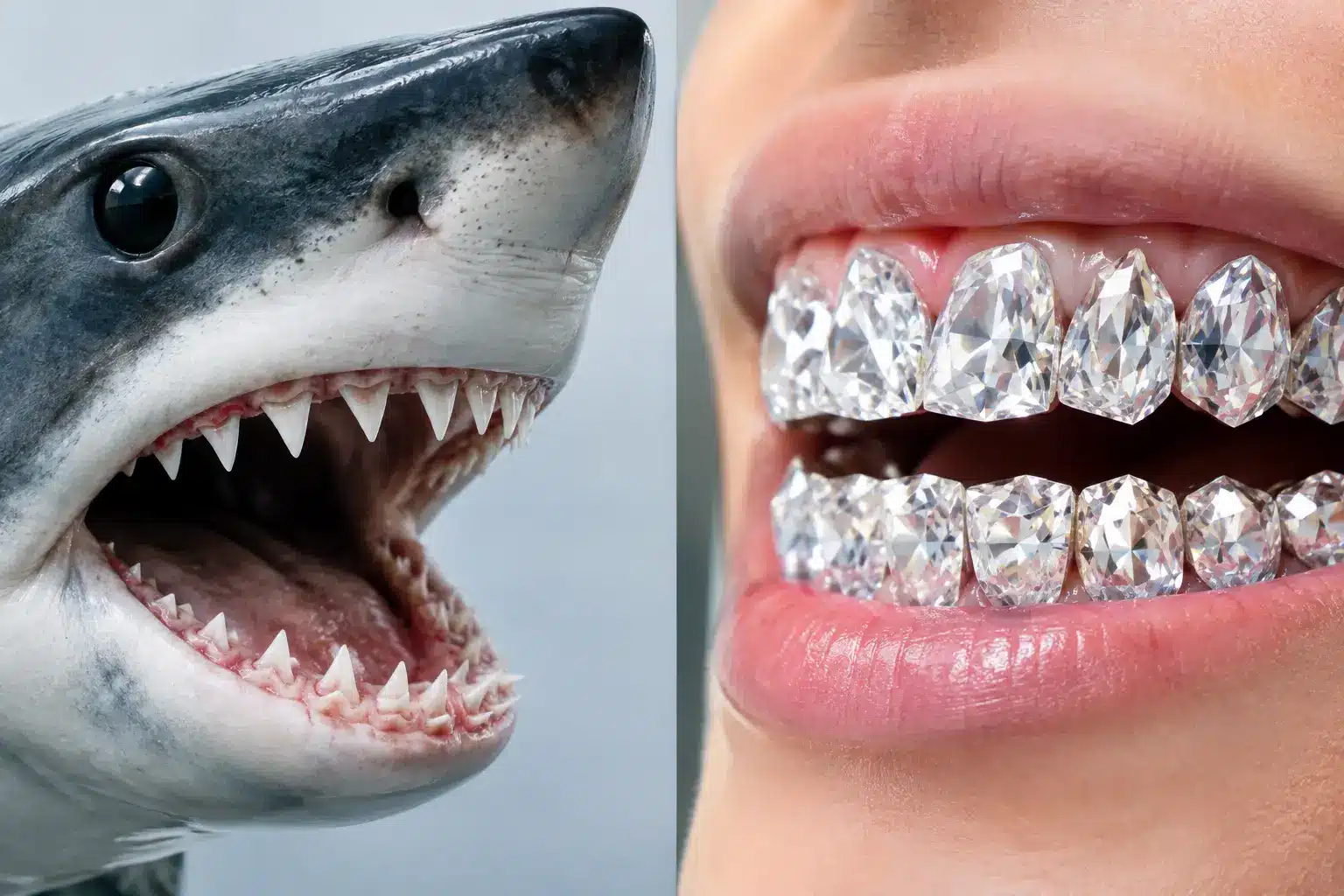
A grinder can look premium, feel heavy in the hand, and still disappoint the moment dense herb hits the teeth. Sharp teeth versus diamond teeth is one of the most common grinder comparisons because tooth shape directly affects how herb breaks apart, how smoothly the lid turns, and whether your grind comes out ready to roll, pack, or vaporize.
The short answer: a well-engineered diamond tooth pattern is usually the more versatile choice for dried herb. But shape alone does not decide performance. Tooth height, spacing, machining accuracy, material, chamber design, and how the teeth meet each other all matter. A poorly made diamond grinder can bind just as badly as a cheap sharp-tooth grinder. The difference is in the engineering.
Sharp Teeth Versus Diamond Teeth: The Real Difference
“Sharp teeth” can describe several grinder designs. Some use tall, narrow points. Others use aggressive blade-like teeth or thin triangular cutting edges. Their main purpose is obvious: concentrate force on a small area so herb gets cut quickly when you twist the lid.
Diamond teeth are typically pyramid-shaped teeth with multiple angled faces. Rather than relying on one fine cutting edge, they catch, shear, and break herb from several directions as the upper and lower plates rotate past each other. That geometry creates many points of contact across the grinding surface.
Neither profile contains actual diamonds. “Diamond teeth” refers to the shape, while “sharp teeth” refers more broadly to an aggressive cutting profile. That distinction matters when comparing products. Two grinders advertised with sharp teeth may have completely different spacing, angles, and real-world results.
The best tooth design does not merely tear flower apart. It processes herb evenly without crushing it into powder, forcing it around the rim, or requiring excessive torque from the user.
Why Diamond Teeth Usually Deliver a More Consistent Grind
Diamond teeth are a proven choice for a reason: their multi-sided geometry distributes the work across the chamber. As herb moves through the grinder, it meets angled faces from different directions instead of repeatedly getting stabbed by a single narrow point. This helps pull material into the teeth and break it down progressively.
For most consumers, that translates to a more even texture. Evenly ground herb burns more predictably in a joint or bowl and loads more consistently into a dry herb vaporizer. You are not looking for dust on one side of the chamber and large chunks on the other. You want a usable, repeatable grind every time.
Diamond profiles also tend to perform well with a wider range of herb textures. Fresh, sticky flower can challenge any grinder, but a properly spaced diamond pattern gives the material multiple routes through the teeth. That is better than a cramped tooth layout that simply compacts sticky herb into a clogged mass.
There is a limit, though. Teeth that are packed too closely can turn a diamond design into a high-friction design. Teeth that are too shallow may glide over herb instead of engaging it. The shape works best when paired with intentional tooth spacing, sufficient chamber depth, and clean CNC machining.
Where Sharp Teeth Can Make Sense
A sharp, aggressive tooth profile can feel fast on dry, brittle herb. The narrow points bite immediately, and a small 2-piece grinder with sharp teeth can reduce a modest amount of flower with very little effort. For someone who prefers a coarse, quick hand grind, that direct cutting action may be exactly what they want.
Sharp teeth can also be effective when the teeth are precisely machined and arranged with enough clearance. The issue is not that sharp teeth are automatically bad. The issue is that many low-cost grinders use thin, stamped, or poorly finished teeth as a shortcut to create the impression of cutting power.
Those designs often become less impressive over time. Fine points can wear, bend, chip, or lose their bite faster than a broader pyramidal profile, especially when made from weak metal. If the teeth are not aligned correctly, aggressive points can also collide, scrape, or create drag when the grinder closes.
A sharp-tooth grinder is worth considering if you know you prefer a coarse output and primarily grind dry flower in small amounts. It is less appealing if you want an all-purpose tool that handles daily use, different flower densities, and larger loads without becoming a fight.
Tooth Shape Is Only Part of Grinder Performance
This is where product photos can mislead shoppers. A close-up of dramatic teeth tells you almost nothing about how the grinder will perform six months from now. The tooth pattern has to work as part of a complete system.
First, consider the material. Precision-machined 6061-T6 aluminum provides the strength needed to keep teeth crisp and stable through repeated use. Cheap pot metal or thin alloy grinders can deform, shed finish, or lose smooth operation. A tooth profile cannot overcome weak material.
Second, look at machining tolerances. The top and bottom teeth must pass close enough to process herb efficiently without touching each other. If they are too far apart, herb may spin around without being cut. If they are too close, the grinder can grind against itself, creating resistance and needless wear.
Third, examine the lid and chamber design. A thread-less magnetic lid can make loading easier and eliminate the cross-threading problem common with basic screw-top grinders. In a multi-piece grinder, the hole pattern below the teeth also controls the final texture. Large openings generally allow a faster, coarser drop-through; smaller openings can hold material longer for a finer result.
Finally, pay attention to size. A compact grinder has less room for herb to circulate, so a tooth profile may feel more aggressive in a small chamber. A larger 90mm grinder has more surface area and can process a bigger load with less crowding. The right size is not about showing off. It is about matching the chamber capacity to how you actually prepare herb.
Sharp Teeth vs. Diamond Teeth for Different Smoking Styles
If you roll joints or blunts, consistency is the priority. Herb that is too chunky creates uneven airflow; herb that is too powdery can restrict the draw and burn harshly. A quality diamond tooth grinder is usually the safer choice because it produces a balanced, fluffy texture without demanding a perfect amount of twisting.
For bowls, the decision is more flexible. Some smokers like a slightly coarser grind for a slower pack, and a sharp-tooth design can satisfy that preference. Still, a diamond profile remains easier to recommend because it gives you repeatable results without leaving oversized pieces behind.
Dry herb vaporizer users should focus less on tooth marketing and more on output control. Most vaporizers perform best with a medium, even grind that allows air to pass through the material. A grinder that pulverizes everything into fine dust is not automatically better. Diamond teeth paired with a thoughtfully designed hole pattern tend to offer the consistency vaporizer users need.
For sticky, dense flower, avoid judging a grinder by the first turn alone. Every grinder can encounter resistance with exceptionally resinous material. What separates a premium grinder is clean tooth engagement, stable alignment, durable construction, and a lid that continues to turn smoothly rather than flexing or jamming.
What to Look for Before You Buy
Do not buy a grinder solely because the teeth look dangerous. Look for a pattern that has enough cutting surfaces to engage herb evenly, but enough open space to prevent constant packing. Look for teeth machined from solid, durable aluminum rather than thin pieces pressed into a chamber.
You should also consider whether you need a 2-piece, 3-piece, or 4-piece configuration. A 2-piece grinder is direct and fast: grind, open, use. A 3-piece model adds a storage chamber below the teeth. A 4-piece design adds a screen and lower collection area for consumers who prefer that setup. The ideal tooth profile is the one built into a grinder configuration you will actually use.
At Tahoe Grinder Co, every grinder is designed as a serious daily-use tool, not a disposable smoke-shop accessory. CNC-machined aluminum, controlled tooth geometry, and a lifetime warranty matter because the best grinder is not the one that looks sharp on day one. It is the one that keeps producing clean, consistent herb after years of use.
Choose diamond teeth when you want all-around consistency, efficient processing, and a texture that works across joints, bowls, and vaporizers. Choose sharp teeth only when you specifically prefer their more aggressive, often coarser cutting feel and trust the build quality behind them. Your herb deserves more than a grinder that merely turns – it deserves one that performs.