
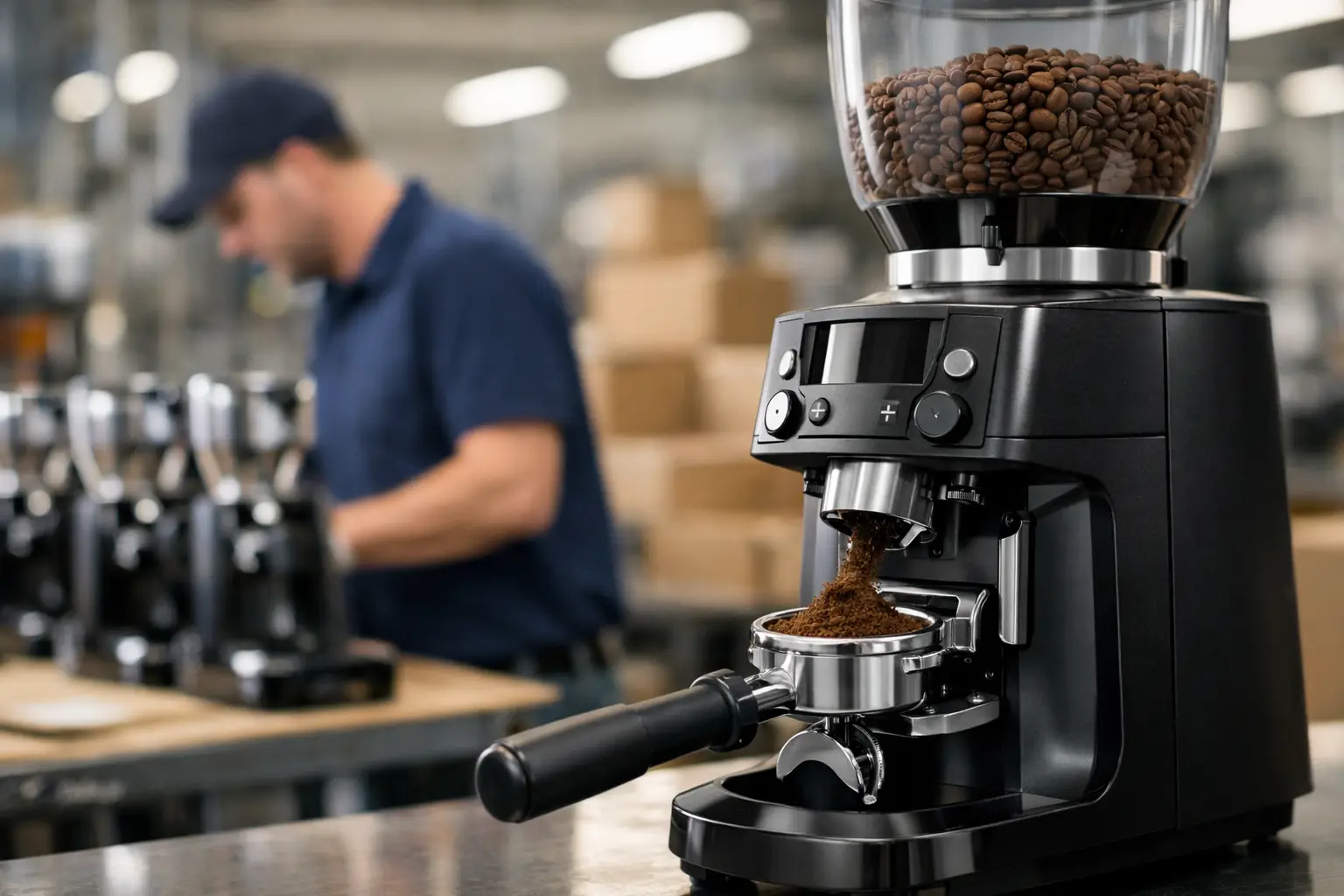
A grinder is the one smoking accessory that gets tested every single session. It sees sticky flower, packed teeth, twisted lids, pockets, bags, and occasional drops onto hard surfaces. That is why choosing a direct from manufacturer grinder is not just about buying a nicer-looking piece of gear. It is about knowing who made it, what it was made from, and whether the people selling it actually control the quality behind the logo.
Cheap grinders are everywhere. Many look polished in product photos, carry vague claims about premium metal, and cost less than a decent eighth. Then the teeth dull, the threads collect residue, the lid sticks, or the grind becomes inconsistent. A serious grinder should not be disposable. It should be a precision tool built to keep working long after cheap imports have become drawer clutter.
What Direct From Manufacturer Actually Means
A direct from manufacturer grinder comes from the company responsible for the product itself, not a reseller moving anonymous inventory from a warehouse. The manufacturer controls the design, material selection, machining process, finishing, assembly, inspection, and fulfillment. That control matters because every one of those steps affects how the grinder feels and performs.
When a retailer sources generic grinders from a catalog, there is usually little visibility into where the aluminum came from, how the teeth were cut, or whether the fit between components was checked before shipping. The retailer may be able to choose a color or add a logo, but that is not the same as engineering the product.
A real manufacturer can make decisions based on performance. It can refine tooth geometry when flower is not shredding cleanly. It can tighten tolerances when a magnetic lid does not seat the way it should. It can reject a flawed finish before it reaches a customer. That is the difference between selling accessories and standing behind the tool in your hand.
Better Materials Are the Starting Point
Not all metal grinders are created equal. “Aluminum” alone does not tell you much, because the grade, machining quality, wall thickness, and finishing process all matter. A precision grinder made from 6061-T6 aluminum starts with a material known for strength, durability, and reliable machining properties.
That matters under real use. Sticky, dense flower puts pressure on the teeth and turning surfaces. Thin, low-grade metal can feel light at first, but it is more likely to wear, flex, bind, or lose the clean action that made it satisfying when new. A properly machined aluminum grinder has the substance to stay smooth without becoming unnecessarily heavy.
Material is only one part of the equation. The way that material is cut is what turns aluminum into a serious cannabis tool. CNC machining produces controlled, repeatable geometry that stamped or poorly cast grinders cannot match. Clean tooth profiles help break down herb evenly. Accurate mating surfaces help components align correctly. The result is less fighting with your grinder and more consistency from session to session.
Tight Tolerances Change the Entire Experience
A great grinder does not announce itself with gimmicks. You feel it in the turn. The lid seats with confidence. The teeth engage flower instead of crushing it into a clump. The chambers fit correctly. Nothing rattles, scrapes, or feels like it was assembled from parts that were never meant to meet.
Tight machining tolerances are where direct manufacturing earns its value. They create the controlled fit that separates a tool you use for years from one that becomes frustrating after a few weeks. This is especially important in multi-piece grinders, where threads, screens, chambers, and lids all need to work together.
Threaded designs can work well when they are accurately machined and kept clean. But thread-less magnetic designs remove a common failure point altogether. There are no sticky threads to cross, no lid to force into place, and no need to spend extra time cleaning residue from grooves. For frequent users, that faster, cleaner access is more than a convenience. It is a design advantage.
Choose the Configuration That Matches Your Routine
The best grinder is not always the one with the most chambers. It depends on how you prepare your herb, where you smoke, and whether you prefer a simpler tool or more separation and storage.
A 2-piece grinder is direct and fast. It breaks down flower and keeps the profile compact, making it a strong choice for people who want a clean, no-extra-parts setup. It is also easier to empty and maintain because there are fewer components involved.
A 3-piece grinder adds a dedicated ground-herb chamber. This is useful when you want to grind more than you immediately need, then access your material without opening the grinding teeth again. It is a practical middle ground for users who want organization without adding a screen.
A 4-piece grinder separates ground flower from finer material with a screen and lower collection chamber. For people who appreciate that added separation, it offers the most complete setup. The trade-off is that there are more parts to clean, and screen performance depends heavily on proper construction and maintenance.
Size matters just as much as chamber count. Compact grinders are easy to carry and ideal for smaller sessions. Larger models create more leverage, hold more herb, and make grinding easier when dealing with dense flower. An oversized 90mm grinder is built for people who are tired of reloading a tiny chamber or forcing a small lid through a packed load.
Direct Fulfillment Means Less Guesswork
Buying direct also changes what happens after you place the order. When the manufacturer fulfills from its own operation, inventory, product knowledge, and shipping responsibility stay connected. There is no handoff between a brand, an unknown distributor, and a third-party marketplace seller.
That means clearer answers when you need them. It means the item shipped is the item the manufacturer intended to send. It also means a company has every reason to protect its quality standards, because a bad grinder does not disappear into a reseller’s return pile. It comes back to the people whose name is on the product.
This is particularly valuable in the smoke shop space, where generic listings often use recycled photos and broad claims. A direct manufacturer can show the actual design, explain how it is built, and support it after the sale. That level of accountability is difficult to fake.
A Lifetime Warranty Is a Manufacturing Claim
A lifetime warranty is not just a line added to make a product page sound better. When it comes from a company that machines and ships its own grinders, it is a statement about expected service life. The manufacturer is saying the tool was built to remain useful, not merely to survive the return window.
That does not mean every buyer needs the largest or most complex model. A compact 2-piece can be the right choice for someone who values portability. A large 4-piece may make more sense for a frequent consumer who wants capacity and collection. The point is to buy the configuration you will actually use, built to standards that do not force you to replace it every year.
Tahoe Grinder Co approaches grinders as long-term equipment, not disposable accessories. In-house USA manufacturing, CNC-machined 6061-T6 aluminum, magnetic designs, and lifetime coverage all support the same promise: better control from the first cut to the final shipment.
The next time a bargain grinder catches your eye, look past the color and price. Ask who made it, how precisely it was built, and whether the seller will still stand behind it after months of sticky flower and daily use. Your answer will usually point toward the grinder worth keeping.