
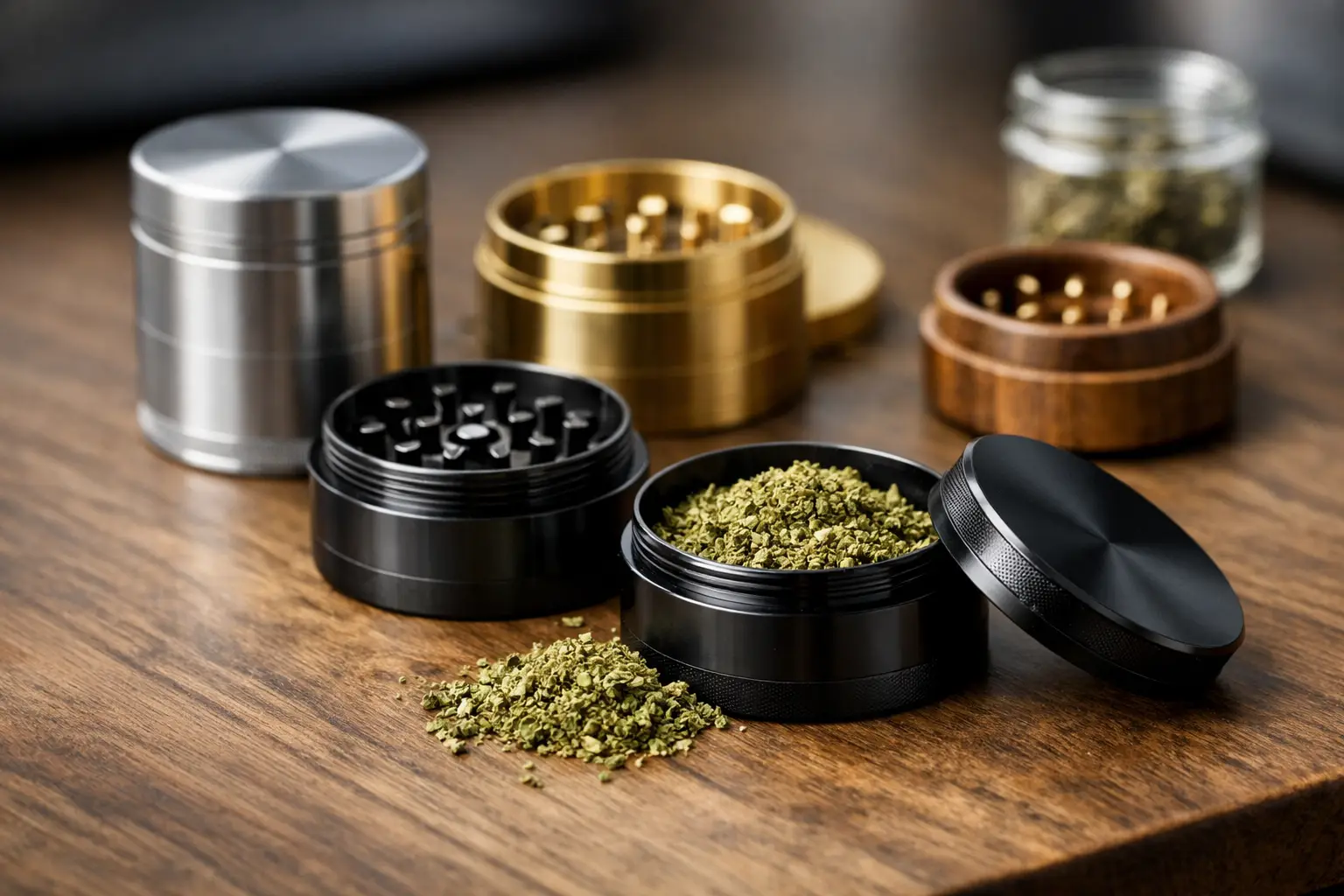
A grinder usually tells on itself within the first week. The lid starts sticking, the teeth load up too fast, the threads feel gritty, and what should be a clean prep step turns into a small annoyance you deal with every session. That is exactly why a real buying guide for premium grinders matters. When you move past cheap cast pieces and generic imports, you are not paying for hype. You are paying for tighter machining, better material, more consistent performance, and a tool that stays dependable instead of turning into another drawer full of throwaways.
If you want the short version, premium grinders earn their price through precision, not cosmetics. Finish matters. Design matters. But the real difference is how well the grinder cuts herb, how smoothly it opens and closes, how little maintenance it demands, and how long it keeps doing its job without wearing out.
What a premium grinder should actually do
A premium grinder is not just supposed to look better on a tray. It should produce a more even texture, require less force, and reduce the friction points that make low-end grinders frustrating. That means a cleaner grind for rolling, packing bowls, or loading devices where consistency affects airflow and burn.
Good grinders also protect the experience over time. Cheap units often start decent and degrade fast. Teeth dull. Threads bind. Coatings chip. Magnets weaken. A premium grinder should feel controlled from day one and still feel controlled after heavy use. That is the baseline.
Buying guide for premium grinders: start with material
Material is the first filter because it shapes durability, weight, and long-term reliability. If a grinder is made from weak metal, poor alloy blends, or low-grade cast material, nothing else about the design can fully save it.
For serious use, CNC-machined aluminum is the standard worth paying for. Specifically, 6061-T6 aluminum has a strong reputation because it balances strength, corrosion resistance, and weight. It feels substantial without being overly heavy, and it holds precise machining tolerances better than the soft, inconsistent materials you see in cheap grinders.
This is where manufacturing method matters just as much as the raw material. Cast grinders can be inexpensive, but they are more likely to have rougher surfaces, looser fitment, and less dependable tooth geometry. CNC machining gives the manufacturer tighter control over every surface that matters, from the lid alignment to the chamber interface. That precision shows up every time you turn the grinder.
Tooth design matters more than most buyers expect
A lot of shoppers compare grinders by color, diameter, or chamber count first. Tooth design is more important. The teeth control how efficiently the grinder breaks down herb and how consistent the final texture will be.
Well-designed teeth cut instead of mash. That sounds simple, but the difference is obvious in use. Poor tooth geometry can compact sticky flower, create uneven chunks, and force you to apply more pressure than necessary. Better teeth keep the grind moving with less resistance and less wasted effort.
It also depends on what kind of herb you typically use. Drier material is easy for almost any grinder. Stickier flower exposes weak design fast. If the grinder performs well with resin-rich herb, that is usually a strong sign the engineering is doing its job.
Threaded or threadless? Pay attention here
One of the most common failure points in a grinder is not the teeth. It is the threads. Traditional threaded lids can work well when machined properly, but bad threads wear down, cross-thread, collect residue, and become a constant source of irritation.
That is why threadless magnetic designs have become such a strong premium option. A well-built magnetic lid removes one of the main friction points in grinder ownership. There is no screwing and unscrewing, no thread bind, and less chance of residue turning basic use into a chore. The experience feels faster and cleaner.
That said, not every magnetic grinder is automatically premium. Magnet strength, lid fitment, and overall machining still matter. A weak magnet or sloppy top section will not feel secure. The best versions combine strong magnetic retention with precise alignment so the grinder stays easy to use without feeling loose.
Choose the right chamber count for how you actually smoke
This is where personal preference matters. There is no single best chamber setup for everyone.
A 2-piece grinder is the most direct option. It grinds and holds the flower in one compact format. If you want speed, portability, and fewer moving parts, this setup makes sense. Many people who roll casually or want a travel grinder prefer it because there is less to manage.
A 3-piece grinder adds a storage section below the grinding plate. That gives you more separation and convenience without going all the way to a kief-catching design. It is a strong middle ground for people who want a little more capacity and organization.
A 4-piece grinder includes a screen and lower chamber to collect finer material. For some users, that is a major advantage. For others, it is unnecessary. If you like the versatility of a kief chamber and do not mind an extra section, a 4-piece model can be worth it. If you prefer all material staying together in the main grind, a simpler setup may actually fit your routine better.
The point is not to buy the most complex grinder. It is to buy the right one for your prep style.
Size changes performance, not just capacity
Diameter has a direct effect on leverage, speed, and feel. Small grinders are easier to pocket and easier to store, but they can feel cramped if you regularly grind larger amounts. Larger grinders give you more working room, more surface area, and often a smoother turning experience because force is spread across a wider body.
If you mostly prepare single sessions, a compact grinder can be ideal. If you grind for multiple sessions, share often, or simply want less reloading, a larger diameter makes daily use easier. Oversized formats, including 90mm class grinders, appeal to buyers who want maximum capacity and a more substantial grip. They are not for everyone, but for heavy users, the upgrade feels practical immediately.
Finish quality is not cosmetic fluff
On a premium grinder, finish quality affects feel, wear resistance, and cleanliness. Rough internal surfaces create drag. Poor finishing can trap residue more easily or leave the grinder feeling sharp, cheap, or inconsistent in hand.
A properly finished grinder should feel refined everywhere you touch it. Edges should be clean. The exterior should have grip without feeling abrasive. The inside should support smooth operation instead of creating friction. Premium means the details are handled, not ignored.
You should also be cautious with grinders that rely on flashy coating claims instead of machining quality. A nice surface treatment can complement a good grinder, but it should never be used to distract from weak construction underneath.
What separates a real manufacturer from a generic seller
This matters more than many buyers realize. A grinder sold by a drop-ship retailer and a grinder built by a company that controls design, machining, finishing, assembly, inspection, and shipping are not the same thing, even if the product photos look similar.
When a company owns the production process, there is more accountability behind the product. Tolerances can be maintained. Quality control can be enforced. Problems can be caught before the grinder ships. That usually leads to better consistency from unit to unit and faster fulfillment after purchase.
For buyers who are tired of random marketplace quality, this is one of the clearest signs they are shopping in the premium category. Tahoe Grinder Co is built around that exact difference – in-house control, precision CNC machining, direct fulfillment, and grinders designed to perform like long-term tools rather than disposable accessories.
Warranty tells you how serious the brand is
A premium grinder should not come with disposable expectations. If a company believes its grinder is engineered to last, the warranty should reflect that confidence.
A lifetime warranty is not just a sales line when it comes from a manufacturer with real control over the product. It signals that the grinder is being sold as a permanent upgrade, not a short-cycle replacement. For the buyer, that changes the value equation. Paying more upfront can make complete sense if the grinder is built to stay in rotation for years.
The smartest way to shop
Do not ask which grinder looks most premium. Ask which grinder removes the most problems from your routine. You want dependable material, precise machining, an efficient tooth pattern, a design that fits your smoking habits, and a manufacturer willing to stand behind the product.
If you are choosing between a cheaper grinder with a long feature list and a better-built grinder with fewer gimmicks, the better-built grinder usually wins over time. Smooth operation, consistent texture, and long-term reliability are the features that keep mattering.
A grinder is one of the few tools you touch almost every session. Buy the one that makes every session easier, cleaner, and more consistent – then stop shopping for replacements.