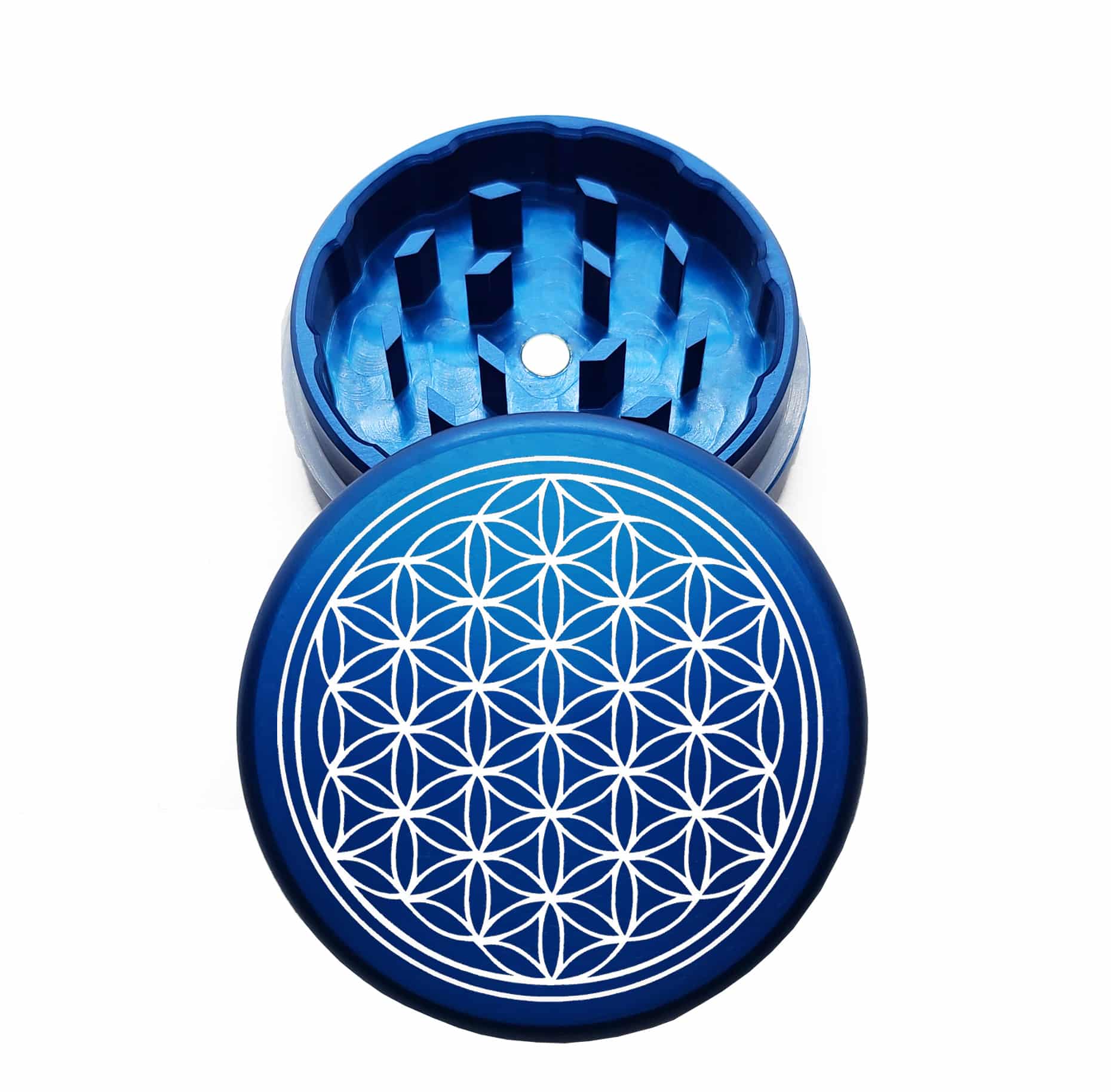
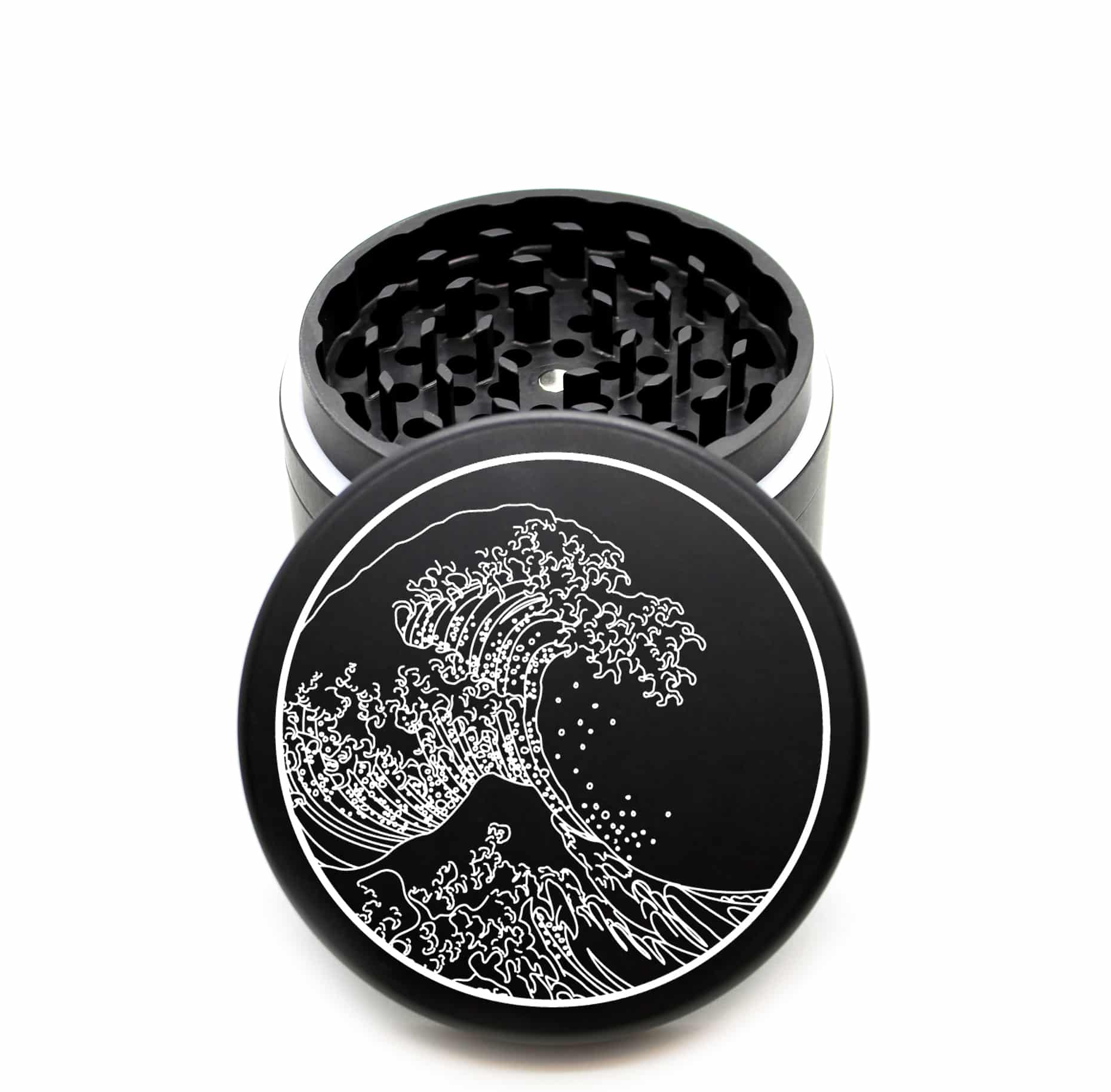
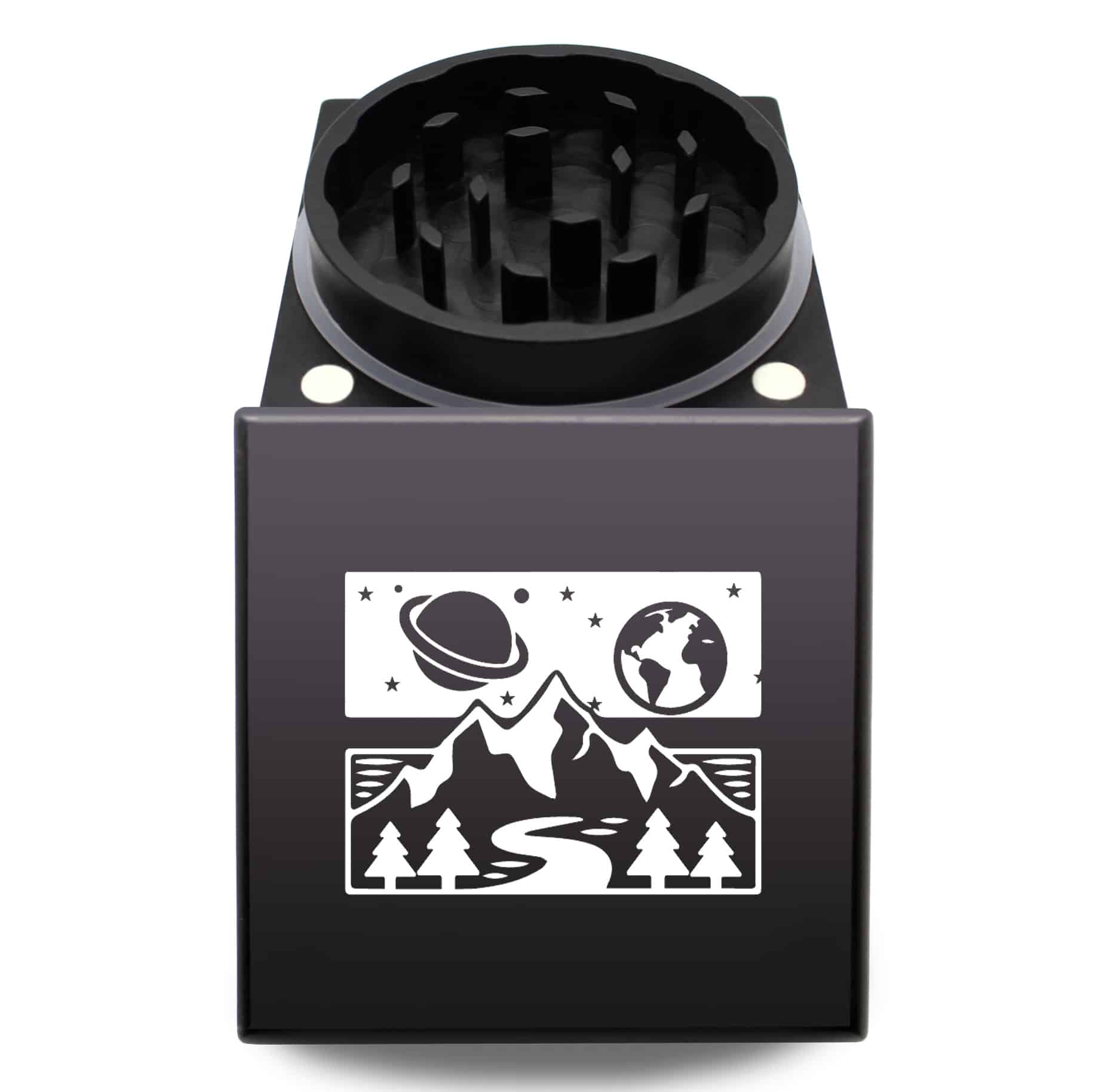
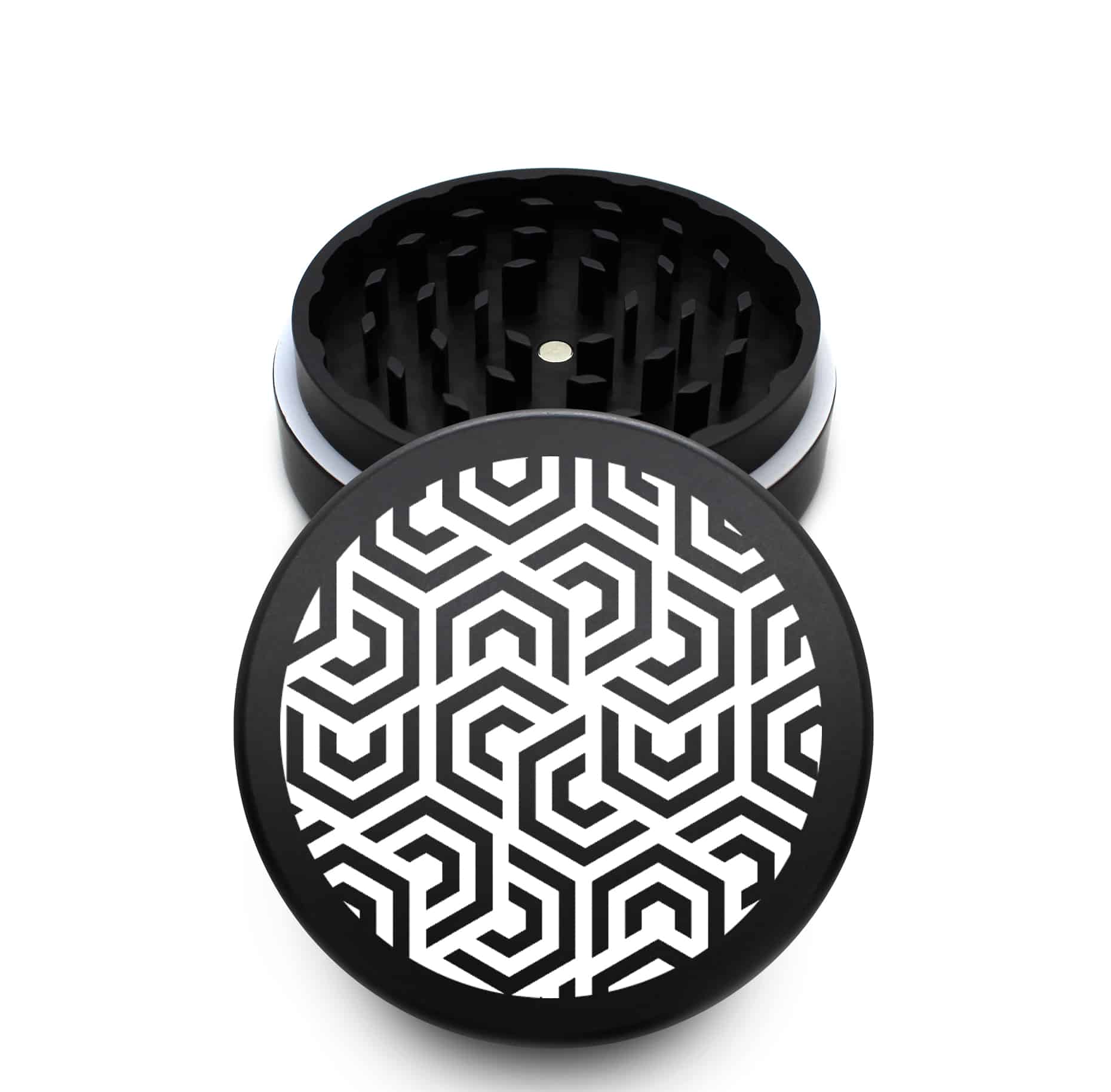
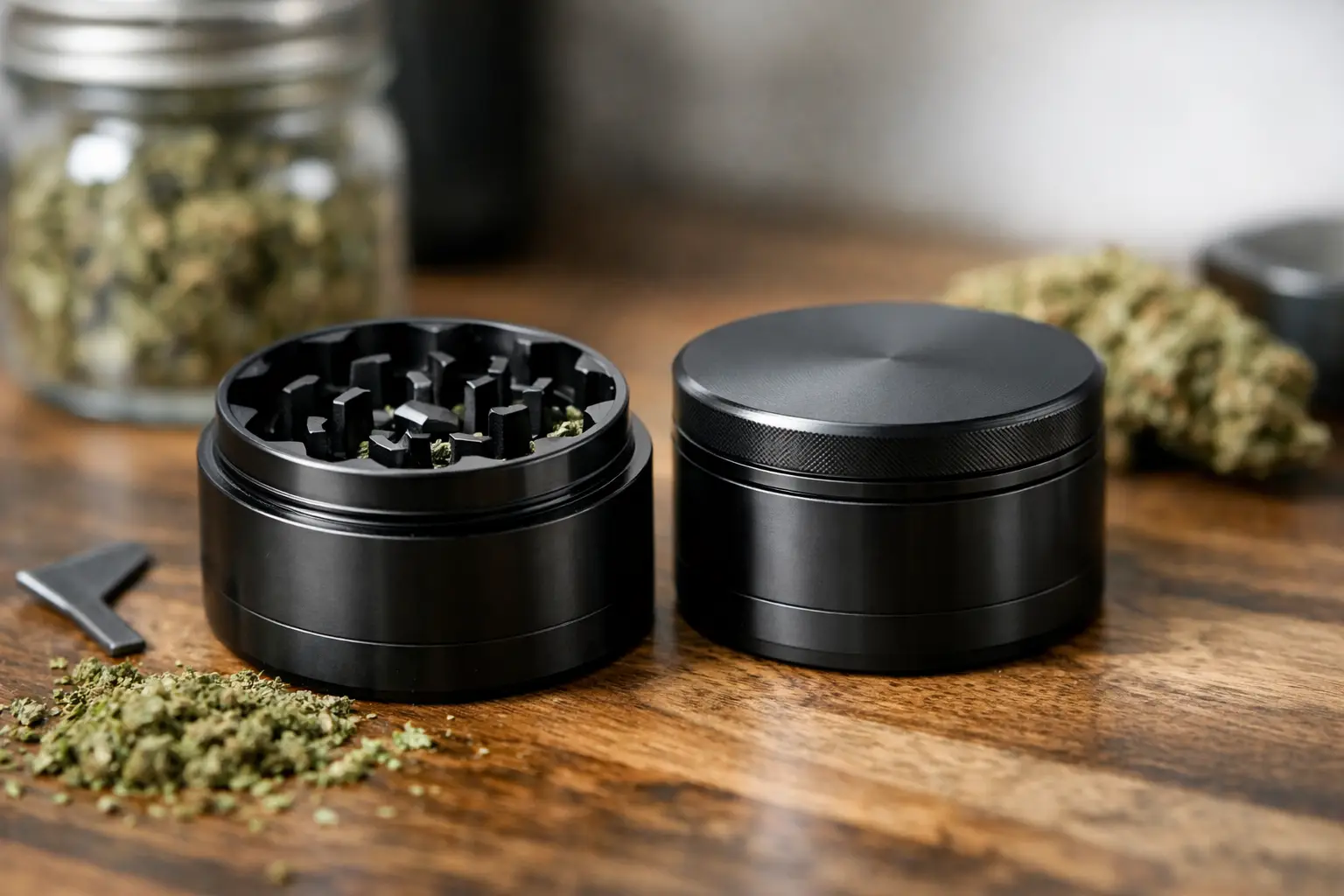
Introduction: In the ever-evolving world of cannabis accessories, finding the perfect weed grinder can significantly enhance your smoking experience. In this comprehensive guide, we will explore the top weed grinders of 2023, all expertly crafted by Tahoe Grinder Company. Renowned for their precision engineering, durability, and innovative designs, Tahoe Grinder Company’s products have established a solid reputation among cannabis enthusiasts. Join us as we unveil the five best weed grinders of 2023, all proudly manufactured by Tahoe Grinder Company.
The Puck Two-Piece Grinder:
The Puck Two-Piece Grinder by Tahoe Grinder Company takes the top spot on our list. This sleek and compact grinder delivers exceptional grinding performance with its razor-sharp teeth and smooth operation. Crafted with meticulous attention to detail, the Puck Two-Piece Grinder ensures a consistent grind every time. Its durable construction, made from high-quality materials, guarantees longevity, making it a reliable companion for your smoking sessions.
The Puck Three-Piece 3.5 Inch Grinder:
Our second pick is the Puck Three-Piece 3.5 Inch Grinder from Tahoe Grinder Company. This larger-sized grinder offers enhanced grinding capacity without compromising on quality. Featuring a three-piece design with a storage compartment and a pollen catcher, it provides convenience and versatility. The precision-engineered teeth effortlessly grind your herbs, while the pollen catcher collects valuable trichomes for later use. Experience the perfect blend of functionality and style with the Puck Three-Piece 3.5 Inch Grinder.
The Square Two-Piece Grinder:
Coming in at number three is the Square Two-Piece Grinder by Tahoe Grinder Company. This unique grinder stands out with its square shape and compact design. Despite its smaller size, it delivers powerful grinding capabilities. The Square Two-Piece Grinder’s sharp teeth ensure a fine and consistent grind, allowing you to extract the maximum potential from your herbs. Its ergonomic design and high-quality construction make it a must-have accessory for any cannabis enthusiast.
The Puck Three-Piece 2.5 Inch Grinder:
Our fourth selection is the Puck Three-Piece 2.5 Inch Grinder by Tahoe Grinder Company. This mid-sized grinder strikes the perfect balance between portability and functionality. With its three-piece design, it includes a storage compartment and a pollen catcher to meet all your grinding needs. The Puck Three-Piece 2.5 Inch Grinder’s sharp teeth and durable construction ensure long-lasting performance, while its compact size makes it ideal for on-the-go use.
The Three-Piece 3.5 Inch Two-Piece Grinder:
Rounding out our top five is the Three-Piece 3.5 Inch Two-Piece Grinder by Tahoe Grinder Company. This versatile grinder boasts a large size, providing ample grinding capacity for your herbs. With its two-piece design, it offers simplicity and ease of use. The Three-Piece 3.5 Inch Two-Piece Grinder’s precision grinding mechanism ensures a fine and consistent grind, enhancing your smoking experience. Trust in Tahoe Grinder Company’s craftsmanship and enjoy the reliable performance of this exceptional grinder.
Conclusion: When it comes to finding the best weed grinders of 2023, Tahoe Grinder Company’s products stand above the rest. The Puck Two-Piece Grinder, Puck Three-Piece 3.5 Inch Grinder, Square Two-Piece Grinder, Puck Three-Piece 2.5 Inch Grinder, and Three-Piece 3.5 Inch Two-Piece Grinder showcase the brand’s commitment to excellence, durability, and precision grinding. Elevate your smoking experience with Tahoe Grinder Company’s top-tier grinders, and discover the perfect blend of functionality, style, and quality craftsmanship.
(I couldn’t figure out how to number them from 1 to 5 and realized they are all number one because Tahoe Grinder Company is the best. Happy Grinding!)
Upgrading to a premium grinder is one of the simplest ways to improve grind consistency, preserve terpene quality, and maximize the performance of your favorite flower. As you compare the top options featured in this guide, remember that long-lasting materials, precision machining, and thoughtful design all play a major role in achieving a smoother, more efficient session. Once you’re ready to elevate your setup, make sure your strains are always paired with the best weed grinder by exploring Tahoe Grinder Company’s full lineup in our best weed grinder collection — engineered for durability, control, and an exceptional cannabis preparation experience.
As more and more states legalize marijuana for medical and recreational use, the demand for high-quality weed has never been higher. But did you know that how you grind your weed can affect its potency and overall quality? The science behind grinding weed has been studied extensively, and the results are fascinating. From the size and shape of the grinder teeth to the speed and pressure used during the grinding process, every detail can impact the final product. In this article, we’ll explore the science behind grinding weed for maximum potency, including the benefits of using a grinder, the different types of grinders available, and tips for achieving the perfect grind. Whether you’re a seasoned smoker or new to the world of weed, understanding the science behind grinding can help you get the most out of your cannabis experience. So, grab your grinder and let’s dive in!
Understanding the Science Behind Grinding Weed
Grinding weed is a crucial step in the process of preparing it for consumption. It involves breaking up the flower buds into smaller pieces, which makes it easier to roll into joints or pack into bowls. But why is grinding weed so important? The answer lies in the science of cannabis.
Cannabis contains many active compounds, the most well-known of which are THC and CBD. These compounds are concentrated in the flower buds of the plant, which is why they are the most sought-after part of the plant. When you grind the buds, you break open the trichomes that contain the THC and CBD, making them more accessible for consumption. This means that grinding your weed can increase its potency and make it more effective at producing the desired effects.
But not all grinders are created equal. The size and shape of the grinder teeth, the speed and pressure used during grinding, and other factors can all impact the final product. That’s why it’s important to understand the science behind grinding weed and choose the right grinder for your needs.
Why Grind Weed for Maximum Potency?
Grinding weed is not only important for making it more potent, but it also improves the overall smoking experience. When you grind your weed, you create a more consistent texture that burns evenly and produces a smoother smoke. This means that you can enjoy the full flavor of the cannabis while also experiencing its effects more fully.
In addition to improving the smoking experience, grinding weed can also save you money in the long run. When you grind your weed, you can use less of it to achieve the same effects as you would with unground buds. This means that you can stretch your supply further, saving you money in the long run.
Factors Affecting Potency When Grinding Weed
There are several factors that can impact the potency of your ground weed. These include the size and shape of the grinder teeth, the speed and pressure used during grinding, and the humidity of the buds.
The size and shape of the grinder teeth can impact the final product in a few ways. Larger teeth can break up the buds more quickly, but may not produce as fine of a grind. Smaller teeth, on the other hand, can produce a finer grind but may take longer to break up the buds. The shape of the teeth can also impact the final product. Diamond-shaped teeth, for example, can produce a more consistent grind than flat teeth.
The speed and pressure used during grinding can also impact the final product. Grinding too quickly or applying too much pressure can produce a powder-like consistency, which can be difficult to work with and may burn too quickly. Grinding too slowly or applying too little pressure can produce a coarser grind, which may not burn evenly.
Finally, the humidity of the buds can also impact the final product. Buds that are too dry can produce a harsh smoke and may not produce as strong of an effect. Buds that are too moist can be difficult to grind and may produce a gummy consistency.
How to Grind Weed for Maximum Potency
Here, above, we see ground weed in its final form, also known as grinded weed—weed that has been put through a grinder to achieve the perfect consistency for rolling or packing.
Now that you understand the science behind grinding weed and the factors that can impact its potency, let’s explore the best way to grind your weed for maximum potency.
Step 1: Choose the right grinder. There are several types of grinders available, including manual grinders, electric grinders, and multi-chamber grinders. Each type of grinder has its own benefits and drawbacks, so it’s important to choose the right one for your needs.
Step 2: Break up the buds. Before you start grinding, break up the buds into smaller pieces. This will make it easier to grind and ensure a more consistent texture.
Step 3: Load the grinder. Place the broken-up buds into the grinder and make sure it’s not too full. Overloading the grinder can result in an uneven grind.
Step 4: Grind the weed. Hold the grinder firmly and turn the lid back and forth until the buds are ground to the desired consistency. Be sure to apply the right amount of pressure and grind at a consistent speed.
Step 5: Collect the ground weed. Once the buds are ground to the desired consistency, use a tool to collect the ground weed and transfer it to your smoking device of choice.
Types of Grinders for Grinding Weed
There are several types of grinders available, each with its own benefits and drawbacks. Here’s a quick overview of the most common types of grinders:
2-piece grinders: These grinders consist of two pieces that are twisted back and forth to grind the buds. They are simple and easy to use, providing a straightforward grinding experience.
3-piece grinders: These grinders have an additional chamber compared to 2-piece grinders. The extra chamber acts as a storage compartment for the ground weed, keeping it separate from the unground buds. This design helps maintain the freshness and quality of your herb.
4-piece grinders: As the name suggests, 4-piece grinders have four components. They typically feature a grinding chamber, a storage compartment for the ground weed, and an additional chamber for collecting keef (the resinous trichomes that contain high levels of THC). This allows you to collect and save the keef for later use, enhancing your smoking or vaping experience.
Each type of grinder offers its own advantages, so consider your preferences and needs when choosing the right one for you. Whether you opt for a 2-piece, 3-piece, or 4-piece grinder, Tahoe Grinder Co. provides high-quality options that are designed to meet your grinding needs with precision and durability. Explore our collection and elevate your cannabis experience today.
Tips for Grinding Weed for Maximum Potency
Here are some additional tips for grinding your weed for maximum potency:
– Don’t overload the grinder, as this can result in an uneven grind.
– Use the right amount of pressure and grind at a consistent speed for the best results.
– Experiment with different types of grinders to find the one that works best for your needs.
– Store your ground weed in an airtight container to preserve its potency and flavor.
Common Mistakes to Avoid When Grinding Weed
Here are some common mistakes to avoid when grinding your weed:
– Grinding too quickly or applying too much pressure can result in a powder-like consistency.
– Grinding too slowly or applying too little pressure can result in a coarser grind.
– Overloading the grinder can result in an uneven grind.
– Using a dirty or clogged grinder can result in a less potent and less flavorful smoke.
Storing Ground Weed for Maximum Potency
Once you’ve ground your weed, it’s important to store it properly to preserve its potency and flavor. Here are some tips for storing your ground weed:
– Use an airtight container to prevent moisture and air from affecting the potency and flavor of the weed.
– Store the container in a cool, dark place to prevent sunlight and heat from degrading the weed.
– Avoid storing the container in the freezer, as this can cause moisture to condense and affect the potency and flavor of the weed.
Conclusion
Grinding weed is a crucial step in the process of preparing it for consumption. Understanding the science behind grinding and choosing the right grinder can help you get the most out of your cannabis experience. By grinding your weed for maximum potency, you can enjoy a more consistent texture, a smoother smoke, and a more potent and flavorful high. So, grab your grinder and start experimenting to find the perfect grind for your needs.
Understanding the science behind grinding cannabis can significantly improve potency, flavor, and overall session efficiency. By creating a more uniform particle size, you increase surface area for better airflow, more even burning, and improved cannabinoid and terpene release. To truly take advantage of these benefits, your preparation tools matter just as much as the quality of your flower. For optimal performance and consistency, make sure your favorite strains are paired with the best weed grinder by exploring Tahoe Grinder Company’s precision-engineered collection of best weed grinder options — built for durability, smooth operation, and maximum cannabis enjoyment.
A grinder should not be the weak point in your setup. Yet cheap threaded models routinely prove why people replace grinders: lids cross-thread, chambers bind with residue, teeth dull, and aluminum flakes or paint wear into the places that touch your herb. This threadless herb grinder review looks at what changes when the grinder is engineered as a serious, long-term tool rather than a disposable accessory.
The short answer is that threadless construction solves one of the most common grinder failures without asking you to sacrifice a secure closure. A properly machined magnetic lid opens cleanly, closes with confidence, and eliminates the gritty twisting motion that turns a threaded grinder into a problem over time. But the best threadless grinder is more than a magnet. The real performance comes down to machining tolerances, tooth geometry, material, chamber layout, and how the entire unit is built.
Threadless Herb Grinder Review: What Makes It Different
A traditional threaded grinder relies on metal threads to join its pieces. When new, that design can feel solid. After repeated use, fine herb particles and sticky resin collect in the thread channels. The lid begins to drag, the parts can misalign, and cleaning becomes a chore. If the threads are shallow, poorly cut, or made from soft material, cross-threading can permanently damage the grinder.
A threadless grinder replaces the twist-on lid with a precision-fit magnetic closure. Instead of lining up threads and turning several times, you lift the lid, load your flower, and place it back on top. The experience is faster, cleaner, and far less likely to fight you when your hands are busy or the grinder has seen heavy use.
That convenience only matters if the closure is secure. Weak magnets can make a lid feel loose in a pocket or bag. Strong magnets, paired with a properly machined mating surface, hold the lid firmly while keeping access effortless. This is the difference between a novelty feature and an actual upgrade.
The Real Test Is in the Cut
The main job of any herb grinder is simple: turn dense, sticky flower into an even, usable consistency. Getting that result consistently is not simple at all.
Well-designed teeth should grab material, guide it through the cutting path, and break it down without pulverizing it into dust. Teeth that are too blunt tend to mash herb. Teeth that are too aggressive can create an overly fine grind, especially with dry flower. A quality CNC-machined grinder uses deliberately shaped teeth and a controlled tooth pattern to process herb evenly across the full surface of the chamber.
Consistency affects the rest of the session. Evenly ground flower packs more predictably, burns more evenly, and is easier to portion into a bowl, paper, cone, or vaporizer. A lumpy grind can create air pockets and uneven burn. Powdery material can pull through certain pipes or make a roll feel tighter than intended.
The best texture still depends on how you consume. Someone loading a vaporizer may prefer a medium-to-fine result. Someone rolling larger joints may want a fluffy medium grind that maintains airflow. A grinder cannot make every strain identical, but it should process the flower without forcing you to grind repeatedly, shake endlessly, or pick out half-cut chunks by hand.
Why CNC Machining Matters More Than Marketing
Many grinders look premium in a product photo. The differences appear after the first few weeks of real use. A grinder with loose tolerances can wobble, scrape, or leave uneven gaps between parts. A grinder made from lower-grade material may dent, wear, or develop rough edges. Decorative finishes can also hide a mediocre base design.
CNC machining gives a manufacturer direct control over the grinder’s dimensions, fit, and repeatability. When the teeth, chambers, and lid are machined accurately, the grinder feels deliberate in the hand. The pieces seat properly. The rotation stays smooth. The finished tool remains dependable long after the initial new-product feel is gone.
Material matters just as much. 6061-T6 aluminum is a proven choice for premium grinders because it balances strength, weight, and corrosion resistance. It is substantially more serious than the thin, mystery-metal grinders common at smoke shop counters and online marketplaces. A solid aluminum body also gives the grinder enough mass to feel stable without becoming a brick in your pocket.
Tahoe Grinder Co machines its grinders in-house in the USA, which matters because manufacturing control does not stop at a design file. It extends through machining, finishing, assembly, inspection, and fulfillment. That level of control is how a brand can stand behind tight tolerances and a lifetime warranty instead of treating a grinder as a low-cost, replaceable item.
Choosing Between 2-Piece, 3-Piece, and 4-Piece Designs
Threadless construction can work across multiple grinder configurations, so the right choice depends on how you prefer to prepare and collect herb.
A 2-piece grinder is the most direct option. It grinds and dispenses from the same chamber, making it compact, quick to empty, and easy to clean. It is a strong choice for users who want fresh ground flower on demand and do not need storage or separation.
A 3-piece grinder adds a lower storage chamber. The ground herb falls below the teeth instead of remaining in the grinding area, giving you a cleaner way to grind a larger amount and access it later. This design suits people who regularly prepare more than one session at a time.
A 4-piece grinder adds a fine screen and a bottom collection chamber for kief. For some consumers, that extra function is a major benefit. For others, especially users who prefer the simplest possible cleaning routine, a 2-piece or 3-piece model makes more sense. More components add versatility, but they also add surfaces that eventually need attention.
Size is another practical decision. Compact grinders travel well and work for smaller personal sessions. Larger models provide more cutting surface, hold more flower, and make light work of dense buds. An oversized 90mm grinder is not subtle, but it is built for users who are tired of doing multiple small loads in a cramped chamber.
Where Threadless Designs Have Trade-Offs
No honest review should pretend that every feature is perfect for every buyer. Threadless magnetic lids are exceptionally convenient, but they are not a substitute for secure storage practices. If you carry a grinder loose alongside keys, coins, and other gear, any grinder can take abuse. Keep it in a clean, protected spot.
Magnetic designs also depend on quality execution. A poorly designed threadless grinder may use magnets as a shortcut while ignoring fit, tooth performance, and material quality. That is why the word “threadless” alone should not decide the purchase. Look at the full build: CNC-machined construction, strong aluminum, precise component fit, thoughtful chamber design, and a warranty that has real weight behind it.
There is also a price difference. A precision-machined grinder costs more than a generic cast-metal unit because it takes more material, more time, and more controlled production to make correctly. The question is whether buying a cheap grinder several times is actually less expensive than buying one serious grinder once.
What to Look for Before You Buy
Start with the way you actually use cannabis, not the biggest list of features. If you want a fast, portable daily tool, a compact threadless 2-piece may be the right move. If you like to keep ground flower ready for later, consider a 3-piece. If kief collection is part of your routine, a 4-piece earns its place.
Then inspect the details that determine whether the grinder will stay enjoyable to use. The lid should close confidently. The teeth should be cleanly machined, not rough or stamped-looking. The grinder should feel substantial, with no rattling or inconsistent contact between pieces. Most importantly, buy from a manufacturer willing to stand behind the tool after the sale.
A great grinder fades into the background because it works every time. Choose one with the build quality to stay smooth, sharp, and dependable through years of flower, not just a few impressive turns out of the box.