A cautionary tale from inside the cutthroat grinder industry
Let’s get one thing straight upfront:
The grinder industry is not friendly.
It’s not collaborative. It’s not kumbaya. It’s a knife fight in a phone booth, and if you don’t know that going in, you’re already behind.
This is an opinion piece, based on firsthand industry experience. It’s not gossip. It’s not speculation. It’s what happens when hype, entitlement, and shortcuts collide with reality.
And Compton Grinders is a textbook case.
The Illusion of “Starting a Brand”

From the outside, Compton Grinders tried to position itself as the next big Southern California grinder brand — the kind of story people love to tell:
- “We’re different.”
- “We’re premium.”
- “We’re doing what the big guys do.”
The problem?
They didn’t start from the ground up.
This wasn’t a scrappy founder maxing out credit cards, sleeping in a warehouse, learning the hard way how supply chains actually work. This was a scenario where access was mistaken for achievement.
Having access to capital is not the same thing as earning a market.
Having access to equipment is not the same thing as understanding manufacturing.
And having a parent with an industrial CNC background is definitely not the same thing as surviving the real grinder economy.
That difference matters — a lot.
Booth Games and Industry Smearing
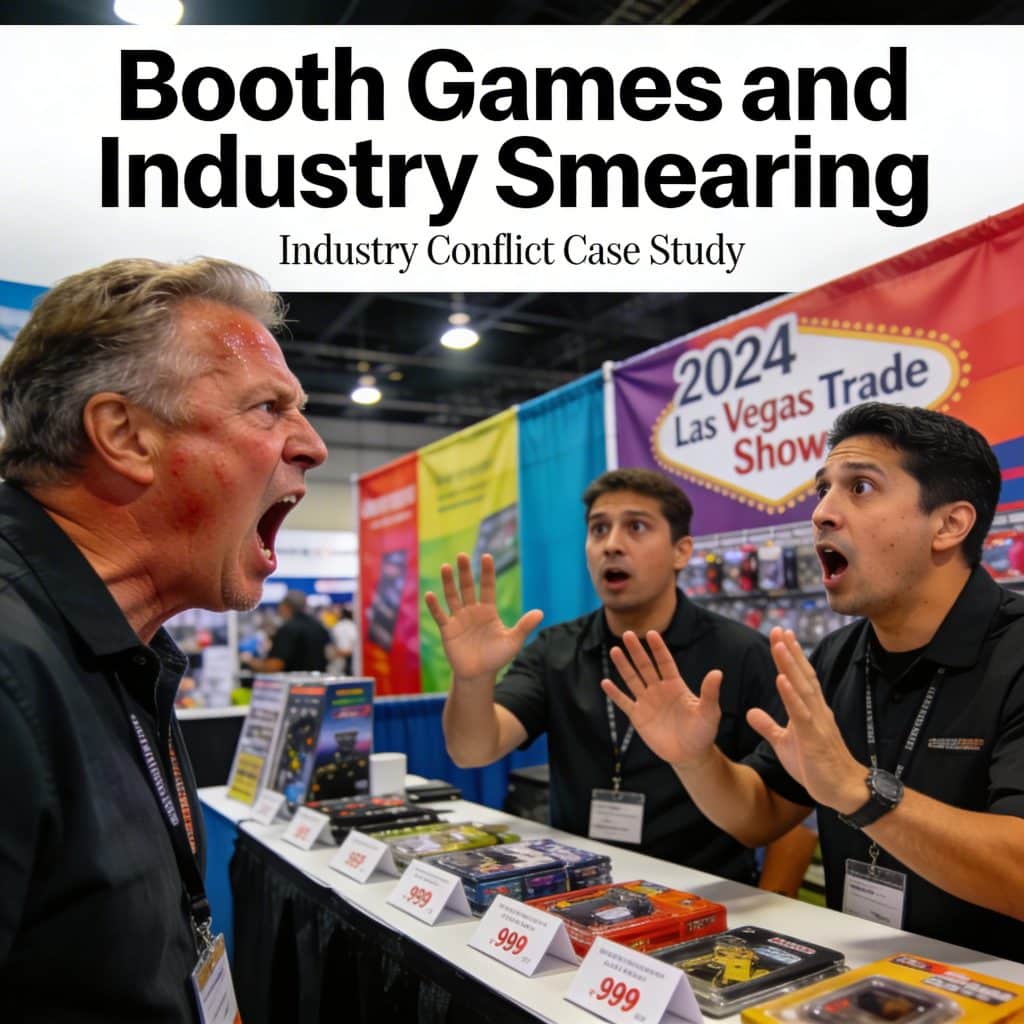
Trade shows are where brands prove themselves. They’re also where insecurity shows up fast.
Instead of letting products speak for themselves, Compton’s owner chose a different approach — sending people to competitor booths to run their mouths:
“Have you seen the massive grinder we make?”
“Look how big our operation is.”
“You guys should see what we’re doing.”
That kind of behavior doesn’t impress anyone who’s been in this business longer than five minutes. It doesn’t signal confidence. It signals desperation.
In a cutthroat industry, respect is currency — and Compton burned it early.
The Daddy’s CNC Problem
Here’s the part no one likes to talk about.
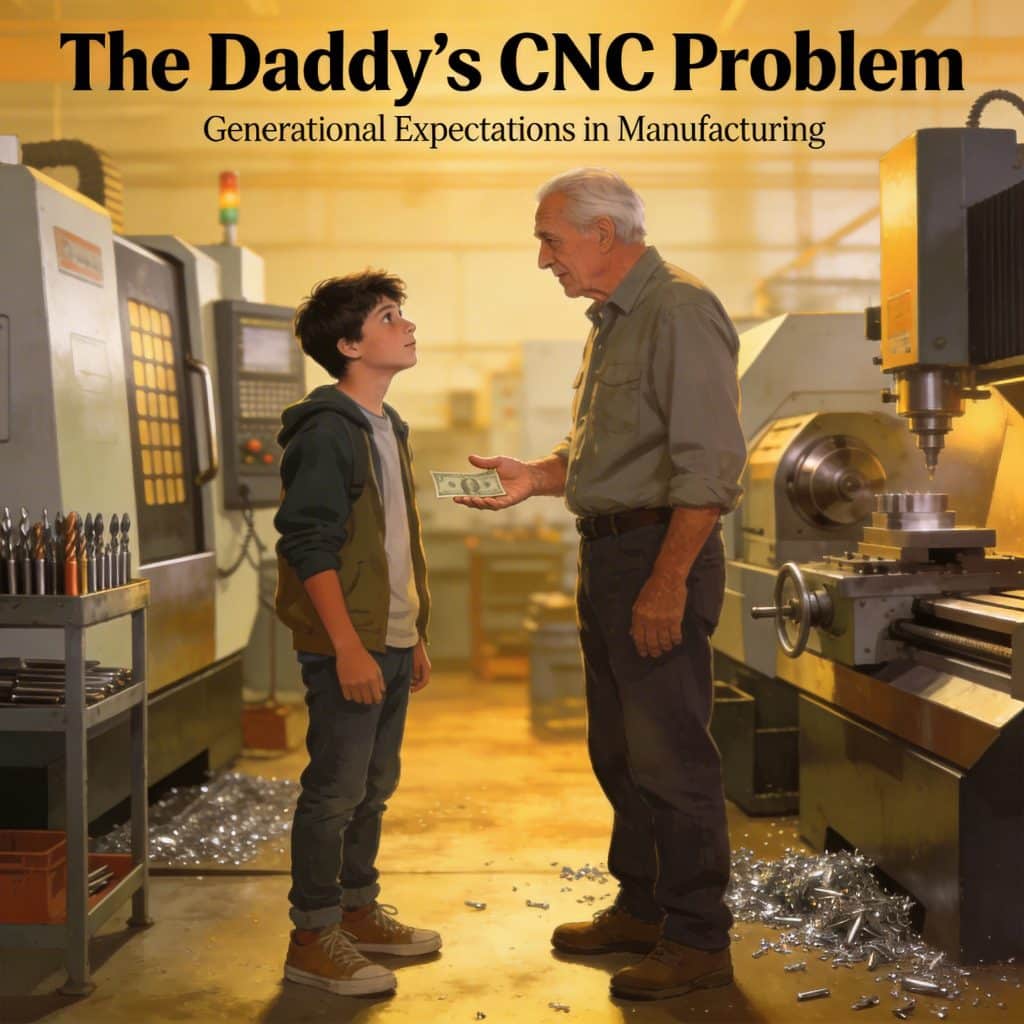
When a brand is quietly propped up by family money and family manufacturing, it creates a warped sense of reality. Costs don’t feel real. Risk doesn’t feel real. Failure doesn’t feel immediate.
Until it is.
Running grinders through a parent’s CNC shop might get you product, but it doesn’t teach you:
- distribution pressure
- margin compression
- chargebacks
- IP risk
- inventory death
- or what happens when the internet turns on you
That bubble eventually pops — and when it does, it’s fast and ugly.
Crossing the Line: Intellectual Property

This is where things went from amateur to terminal.
At a certain point, Compton stopped trying to differentiate and started trying to draft — rebranding, renaming, and repositioning in ways that mirrored products already in the market.
Calling grinders “pucks” wasn’t innovation.
It was an attempt to slingshot off someone else’s momentum.
When a formal cease-and-desist landed — backed by copyrighted material and documented intellectual property — the response wasn’t a fight. It wasn’t a defense. It was an exit.
The Tahoe Grinder Company’s “Puck” grinder is federally protected, and Compton became the second brand to learn that lesson the hard way. The first was a short-lived attempt called “The Pucc Grinder.” That experiment didn’t survive either — and yes, we now own their .com.
The site went dark.
The brand vanished.
Socials evaporated.
That tells you everything you need to know.
Why Compton Grinders Actually Failed
Let’s strip the emotion out and be clinical for a second.
Compton Grinders didn’t fail because the market is unfair.
They failed because:
- They skipped the grind and tried to buy legitimacy
- They confused access with competence
- They antagonized instead of competed
- They treated IP like a suggestion, not a boundary
- They had no exit plan once legal pressure arrived
In this industry, you either build something defensible — or you disappear.
They disappeared.
The Grinder Industry Doesn’t Forgive Cosplay
Here’s the uncomfortable truth:
You can’t cosplay being a grinder brand.
You can’t borrow someone else’s success, rename it, and expect the market not to notice. You can’t lean on family infrastructure and expect to survive once the spotlight hits.
The grinder industry rewards:
- endurance
- originality
- operational discipline
- and scars earned the hard way
Compton Grinders had none of those — and the outcome was inevitable.
Final Word
This isn’t written to kick a dead brand. (sucks to suck Kyle)
It’s written as a warning.
If you’re thinking about entering this space, understand this:
The grinder industry will test you financially, legally, and personally.
Shortcuts don’t shorten the road — they end it.
Compton Grinders didn’t lose because competitors were “mean.”
They lost because reality finally showed up.
And reality doesn’t care who your dad is.
Trademark Notice & Disclosure
“Compton Grinders” is a live registered trademark (Serial No. 86200034), owned by Stuart Cooper (Individual; United Kingdom). All trademarks, names, and marks referenced herein are the property of their respective owners.
This article is an opinion-based industry commentary and is not affiliated with, endorsed by, or sponsored by the trademark owner. References are made solely for purposes of factual identification, commentary, and analysis.