
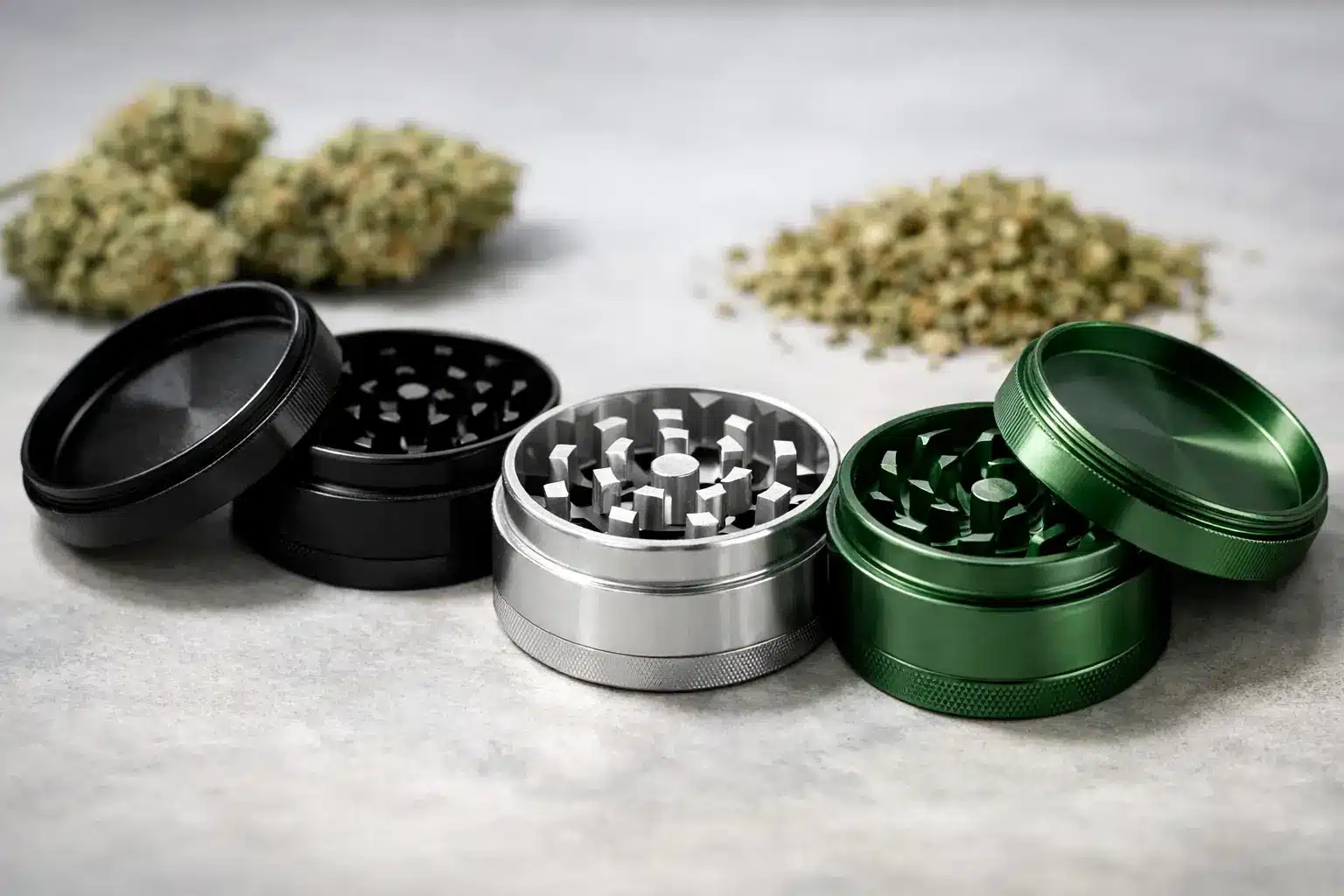
A grinder can look flawless on the outside and still grind like a bargain-bin accessory if the teeth are wrong. Tooth shape, placement, clearance, and machining accuracy determine whether dried herb breaks down cleanly or gets mashed into sticky clumps that fight every turn. This weed grinder tooth pattern guide explains what those details actually do – and what serious users should look for before buying.
Why Tooth Patterns Matter More Than Tooth Count
A lot of grinder listings lead with tooth count because it is easy to advertise. More teeth must mean more cutting power, right? Not necessarily. A crowded pattern can reduce the space available for herb to move through the chamber. That may create extra resistance, especially with dense or fresh material.
The better question is how the teeth work together. A well-designed pattern gives herb multiple cutting paths while leaving enough open space for material to circulate, break apart, and fall through at a controlled rate. Each tooth needs a purpose. It should catch, split, guide, or finish the grind – not simply occupy space.
That is why precision matters. On a premium CNC-machined grinder, tooth locations are repeatable from piece to piece, and the mating halves are designed to close with intentional clearance. Cheap cast grinders often miss that standard. Their teeth can be blunt, uneven, poorly aligned, or coated with burrs that trap plant matter instead of cutting it.
Weed Grinder Tooth Pattern Guide: The Core Designs
Most effective herb grinders use interlocking tooth fields. When the top rotates over the bottom, the teeth pass between one another without touching. Herb is caught in that moving pattern and progressively reduced in size.
Diamond and Pyramid Teeth
Diamond-shaped or pyramid-style teeth are the familiar standard for good reason. Their angled faces present several cutting edges, allowing them to engage herb from different directions as the lid turns. Rather than relying on one flat blade-like surface, the shape splits material through repeated contact and pressure.
The strongest versions are sharply defined but not needle-thin. Extremely thin points can feel aggressive at first, yet they are more vulnerable to wear or damage if the grinder is made from weak metal. A properly machined tooth has enough material behind its cutting geometry to stay effective for years of use.
This pattern is versatile. It handles most dried flower well and produces a reliable medium-to-fine texture, depending on the grinder’s holes and chamber design. For everyday users, a thoughtfully arranged diamond pattern is usually the right starting point.
Trapezoid and Flat-Topped Teeth
Some grinders use teeth with flatter tops or broader trapezoid profiles. These shapes can be durable and create more compression before the herb separates. They are not automatically inferior, but their performance depends heavily on spacing and edge definition.
A broad tooth that is too blunt tends to crush rather than cut. That can leave sticky herb packed around the teeth and make the grinder feel harder to turn. A well-executed flat-topped design can still work smoothly, particularly when paired with generous circulation space, but it needs accurate machining to avoid a mushy grind.
Mixed Tooth Patterns
Higher-performance grinders may combine tooth sizes or shapes across the grinding surface. Larger teeth near the outer area can break down bigger pieces first, while smaller or differently angled teeth refine the material closer to the center. This staged approach keeps the chamber moving instead of forcing every piece through the same cut at once.
Mixed patterns are harder to engineer well. If the design is too busy, it creates dead zones where herb collects. If it is balanced, it produces a faster, more consistent grind with less effort at the wrist.
Tooth Spacing Controls Flow and Consistency
Tooth spacing is the gap between individual teeth and the open channels they create. It is one of the biggest reasons two grinders with similar-looking teeth can perform completely differently.
Tight spacing generally creates a finer initial breakdown, but it can slow the grind and increase clogging with resinous flower. Wider spacing gives chunks more room to travel and usually feels easier to rotate, though the result may be less uniform if the pattern lacks enough secondary cutting points.
There is no universal perfect spacing because the right feel depends on the user’s preferences and the herb itself. Dry, fluffy flower moves through a tighter pattern easily. Dense, sticky buds benefit from a pattern with more breathing room. The best all-around grinders find the middle ground: enough tooth density to prevent oversized pieces from escaping, enough clearance to keep the chamber from binding.
Pay attention to perimeter spacing as well. The outer ring is where many users load the largest pieces. If that area is packed with oversized teeth and no room to move, the first few turns can be frustrating. A strong design uses the full diameter of the grinder without turning the outside edge into a traffic jam.
Alignment Is the Difference Between Cutting and Grinding
A tooth pattern does not work in isolation. The teeth in the lid and base have to pass each other at the correct distance. Too much clearance allows material to get pressed and dragged without being cut. Too little clearance creates metal-on-metal contact, premature wear, and a rough turning feel.
This is where manufacturing control separates a serious grinder from a novelty item. CNC machining allows the grinder body, teeth, threads or magnetic interfaces, and mating surfaces to be produced to tight tolerances. The result is predictable movement: the teeth interlock as designed, the lid seats correctly, and the grind feels controlled instead of random.
Tahoe Grinder Co machines its grinders in-house from 6061-T6 aluminum, which matters because the material and the machining process have to support each other. Strong aluminum gives the teeth a durable foundation, while accurate machining keeps the pattern performing as intended over the long haul.
Tooth Pattern Is Only Half the Grind
The tooth field starts the process, but the holes below it determine what happens next on a 3-piece or 4-piece grinder. Larger holes allow material to fall through sooner, creating a faster and often airier result. Smaller holes hold material in the cutting chamber longer, which can produce a more refined consistency.
That is why a grinder’s tooth pattern should be judged alongside its configuration. A 2-piece grinder keeps the process direct: grind until the texture feels right, then remove the herb. It gives the user maximum control, especially if they prefer a coarser finish.
A 3-piece grinder adds a storage chamber beneath the grinding plate. A 4-piece model adds a screen and lower collection area, separating fine material over time. The teeth still do the initial work in every format, but the hole pattern and lower chambers change how quickly material exits the cutting zone.
For an even, ready-to-use texture, look for a tooth pattern that breaks herb efficiently without forcing it through overly restrictive holes. For a more hands-on approach, a 2-piece design with a capable tooth layout gives you the freedom to stop at exactly the texture you want.
Red Flags in Cheap Grinder Teeth
Poor tooth patterns usually reveal themselves quickly. Watch for teeth that look rounded before they have been used, inconsistent shapes across the surface, visible seams from casting, or rough edges that catch fibers. Those details point to a grinder that may jam, shed finish, or lose its cutting performance early.
Also be cautious of grinders that advertise extreme tooth counts without explaining the layout. A packed field of tiny teeth may look technical in a product photo, but it often leaves little space for dense herb to move. More hardware does not automatically produce a better grind.
A quality grinder should turn smoothly with normal pressure, process herb evenly, and resist buildup when regularly cleaned. If it demands force every session, the issue may not be your flower. It may be a tooth pattern that was never engineered for real use.
How to Choose the Right Pattern for Your Use
Start with the texture you prefer. If you want a balanced, dependable everyday grind, choose an interlocking diamond-style pattern with moderate spacing and a well-machined cutting chamber. It is the most adaptable option for most adult cannabis consumers.
If you regularly grind dense, sticky flower, prioritize open channels, strong tooth bases, and a larger grinder diameter. More working area lets the herb spread out instead of compacting in the center. Compact grinders can be excellent for travel, but an oversized model gives larger loads more room to circulate.
If you want complete control over final texture, focus less on collecting chambers and more on the feel of the tooth pattern itself. You are looking for teeth that cut cleanly with a few controlled turns, not a design that pulverizes material before you can check it.
The right grinder tooth pattern should disappear into the experience. It should not demand extra force, leave uneven chunks, or turn routine prep into maintenance. Choose the geometry, spacing, and machining quality that fit your material and preferred texture, then keep the teeth clean. A grinder built with purpose will keep earning its place every time you reach for it.