
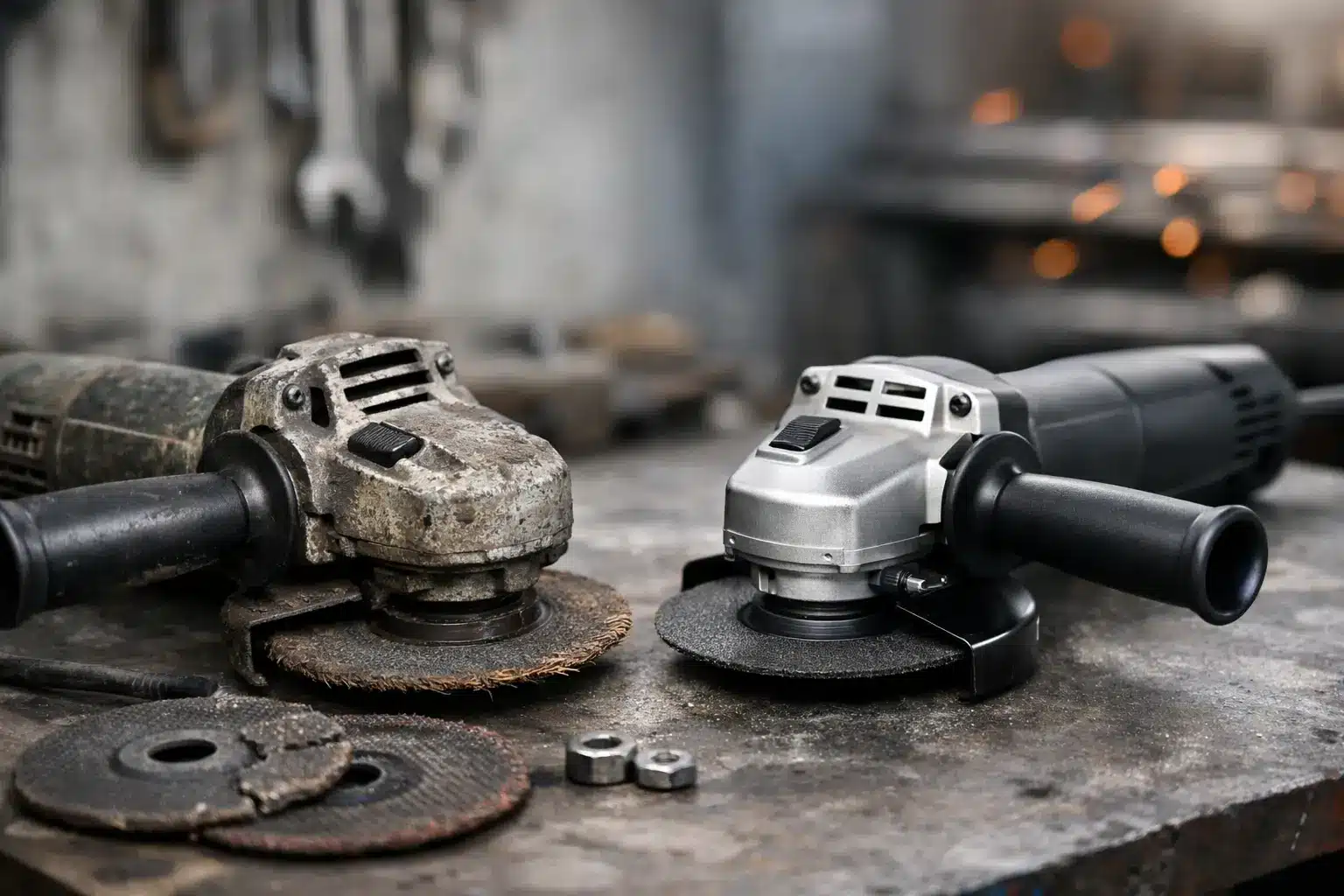
A grinder does not need to snap in half before it becomes a problem. If you are asking when to replace a grinder, the answer usually shows up in your sessions first: herb tears instead of cuts, the lid sticks, teeth stop grabbing, or the threads feel like they are fighting you. A worn grinder turns a simple prep step into wasted material, uneven bowls, and unnecessary frustration.
Cheap grinders are built to look fine at checkout, not to perform for years. Thin metal, weak teeth, loose tolerances, painted finishes, and poorly cut threads all wear down under real use. A quality grinder should feel controlled, cut consistently, and open without a struggle. When it stops doing those things, it is time to look closely at the tool in your hand.
When to Replace a Grinder: Performance Comes First
Age alone is not the deciding factor. Some grinders fail after a few months because their materials and machining were never up to the job. Others can remain reliable for years with regular cleaning and solid construction.
The real question is whether your grinder can still process dried herb efficiently without contaminating it, crushing it into dust, or making every turn harder than it should be. These are the signs that separate a grinder that needs maintenance from one that has reached the end of its useful life.
1. The teeth are dull, bent, or missing
Sharp, precisely shaped teeth should pull herb through the grinder with a clean cutting action. When teeth become rounded, bent, chipped, or broken, they stop doing that job. Instead of producing a consistent texture, the grinder may mash buds against the lid or leave large pieces trapped around the perimeter.
One damaged tooth may not ruin every grind, but it can signal a bigger issue: soft metal or poor manufacturing control. If several teeth are worn down or bent, replacement is the smart move. You cannot restore the original cutting geometry by scrubbing harder.
2. It jams even when it is clean
A dirty grinder can bind, especially after sticky flower has been ground repeatedly. That does not automatically mean it is finished. A proper cleaning can remove resin buildup and restore movement.
But if the grinder still jams after cleaning, the problem is likely mechanical. Warped components, damaged teeth, poorly aligned pieces, or low-quality threads can create resistance that no amount of maintenance will solve. A grinder should not require heroic grip strength to make it through a small load of herb.
3. The grind is suddenly uneven
Uneven herb affects the entire session. Oversized chunks may burn inconsistently, while fine powder can pull through too quickly or restrict airflow depending on your preferred setup. A dependable grinder produces a repeatable texture from one use to the next.
If your grinder is leaving a mix of uncut pieces, shredded leaf, and dust, inspect the teeth and chamber alignment. Sometimes overfilling is the cause, so try using less material. If the issue continues with a reasonable load, the grinder is no longer performing at the level it should.
4. Metal flakes or coating are coming off
This is a hard stop. If you notice paint chips, mystery-colored residue, metal shavings, or a coating peeling inside the grinding chamber, retire the grinder. Your herb should contact clean, stable material, not a finish that breaks down during normal use.
This is one reason material selection matters. Premium 6061-T6 aluminum is valued for strength, corrosion resistance, and precision machining. It is a fundamentally different ownership experience from low-grade pot metal grinders with decorative coatings and unknown durability.
5. The lid no longer stays secure
A loose lid is more than an annoyance. It can spill freshly ground herb, make grinding awkward, and indicate that the magnet, fitment, or body of the grinder has worn out. For magnetic grinders, the lid should seat confidently and stay put while still lifting off cleanly.
If a lid rocks, slides, or falls off in a bag, inspect it for debris first. A small amount of herb caught around the contact area can interfere with closure. If it remains loose after cleaning, you are dealing with a worn or poorly fitted grinder.
6. Threads cross, stick, or feel gritty
Threaded grinders have a known failure point: the threads themselves. When tolerances are loose or the metal is soft, threads can cross-thread, bind, strip, or collect debris until opening the grinder becomes a chore.
You can sometimes extend their life by cleaning the threads with a soft brush and avoiding overtightening. But stripped or cross-threaded metal does not reliably repair itself. If you have to carefully line up the pieces and force them together every time, replacing the grinder is better than waiting for it to seize completely.
Thread-less magnetic construction avoids this particular failure point altogether. Fewer friction-heavy interfaces mean less opportunity for a lid to lock up at the worst possible moment.
7. It is too small for how you actually use it
Not every replacement is caused by damage. Sometimes your grinder still works, but it no longer fits your routine. A compact two-piece grinder is excellent for portability and quick personal use. It may be a poor fit if you regularly prepare enough herb for several people, prefer a larger rolling tray workflow, or are tired of grinding multiple small loads.
Likewise, a large four-piece grinder may be more tool than a casual user needs. It depends on whether you value maximum capacity, storage, and kief collection or prefer a faster, simpler two-piece setup. Replacing a grinder can be an upgrade in configuration, not just a response to failure.
Clean It Before You Call It Done
Before replacing a grinder, rule out resin buildup. Sticky residue can make even a well-made grinder feel rough, especially around teeth, screens, and threaded connections. Use a soft brush to remove loose material after sessions, and clean more thoroughly when the action starts to change.
Do not attack the grinder with sharp tools that can scratch the machining or bend the screen. Avoid soaking pieces that include magnets or delicate components unless the manufacturer specifically recommends it. The goal is to remove buildup without creating the damage you are trying to prevent.
After cleaning, test the grinder with a small amount of dry herb. If the lid closes correctly, the teeth cut cleanly, and every section moves smoothly, you may have solved the issue. If it still grinds poorly or feels mechanically wrong, cleaning has done its job: it confirmed that the problem is the grinder itself.
What a Replacement Grinder Should Do Better
A new grinder should fix a specific weakness, not simply give you another version of the same weak design. Start with material. CNC-machined aluminum provides a stronger, more consistent platform than cast zinc or mystery alloy construction. Precision matters because chamber alignment, tooth shape, edge finishing, and lid fit all influence how the grinder feels and performs.
Then choose the configuration that matches your actual use. A two-piece model is direct and portable, with fewer components and fast access to ground herb. A three-piece grinder adds a storage chamber. A four-piece design separates ground herb from a lower collection chamber and typically includes a screen for finer material. None is automatically best – the right choice depends on your preferred prep routine.
Size matters just as much. Smaller grinders travel easily but limit capacity. Oversized 90mm grinders process more flower per turn and provide leverage that makes larger loads easier to handle. If you regularly fight a tiny grinder because it cannot keep up, moving up in diameter is a practical upgrade.
Tahoe Grinder Co builds its grinders in-house in the USA with CNC-machined 6061-T6 aluminum, tight tolerances, thread-less magnetic designs, and lifetime warranty coverage. That level of control matters because a grinder is not a disposable novelty. It is a tool you use every time you prepare herb.
A good replacement should make the first turn feel noticeably different: smooth movement, clean cuts, a secure fit, and no second guessing whether it will jam halfway through. Choose the grinder that matches your volume and your standards, then give yourself one less piece of gear to fight with.